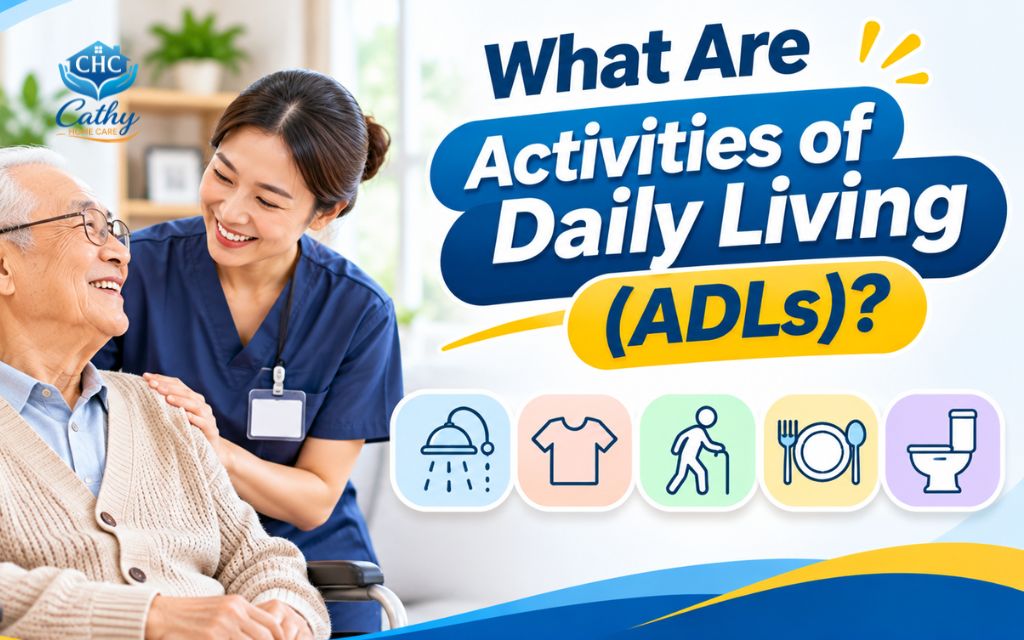
What are activities of daily living? Activities of daily living (ADLs) are essential self-care tasks, such as bathing, dressing, eating, and using the toilet, that people perform to meet their everyday needs. These activities help healthcare professionals and families understand a person’s ability to live independently. When age, illness, or disability makes these tasks difficult, additional assistance may become necessary.
What Are Activities of Daily Living?
Activities of daily living (ADLs) refer to fundamental personal care tasks that support health, hygiene, and independence. In medical terms, ADL stands for “activity of daily living,” while ADLs is the plural abbreviation commonly used in healthcare assessments and care plans. Some people write ADL’s, although ADLs is the standard form.

In healthcare, the question “what are activities of daily living?” relates directly to functional status, or how well someone can manage essential tasks without another person’s assistance. An individual may remain fully independent, require occasional supervision, or need physical support. These differences help families determine whether personal care services may be appropriate.
What Are the 6 Basic Activities of Daily Living?
The six basic ADLs are essential tasks that support personal care and independence. Below, Cathy Home Care explains each activity and its role in daily life.
Bathing and Personal Hygiene
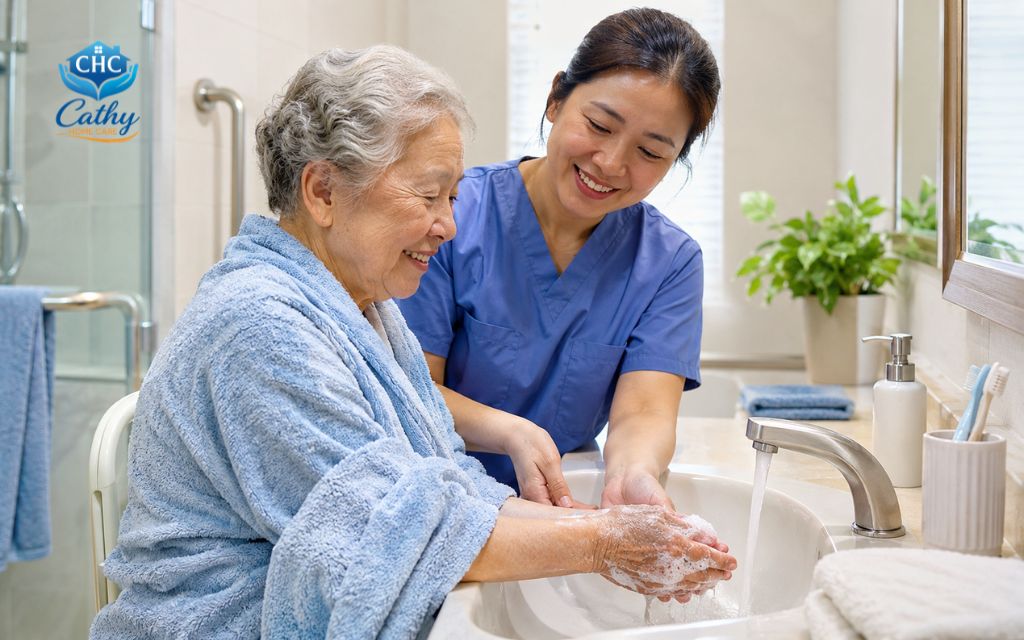
Bathing refers to a person’s ability to wash their body and maintain personal cleanliness. This includes getting into and out of a shower or bathtub, washing, rinsing, and drying safely.
Older adults with reduced mobility, poor balance, or limited strength may find these tasks difficult. Personal hygiene needs may also include assistance with routine grooming and hair care.
Dressing
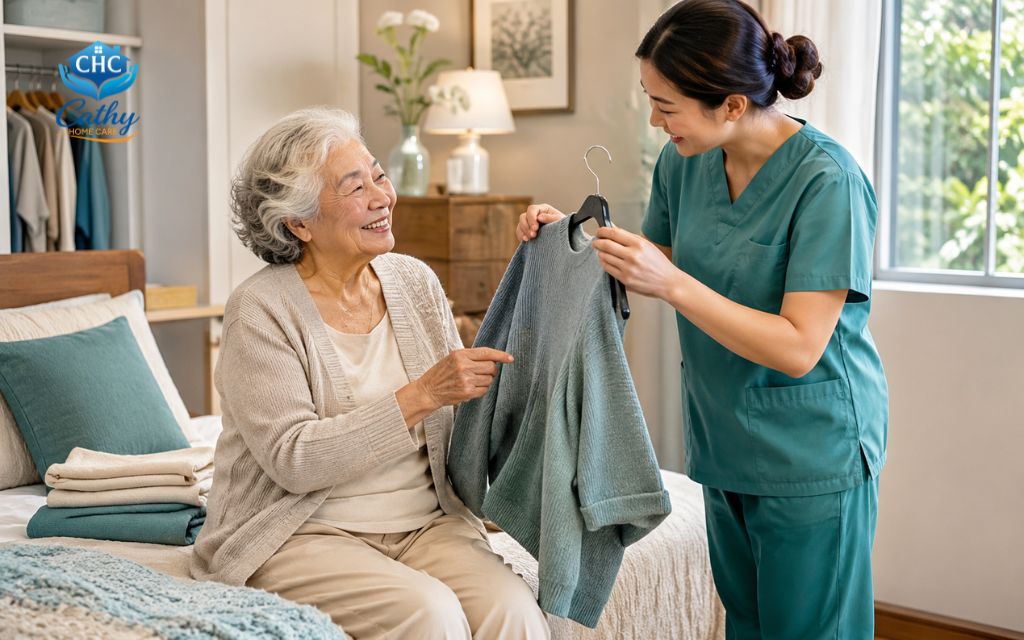
Dressing refers to the ability to choose appropriate clothing, put it on, and remove it independently. When families ask “what are activities of daily living?”, dressing is one of the basic ADLs that reflects personal independence. Older adults with limited mobility, joint stiffness, or reduced hand strength may need assistance with buttons, zippers, or footwear.
Toileting
Toileting involves reaching and using the toilet, adjusting clothing, and maintaining personal hygiene afterward. As an essential task on the activities of daily living list, it directly affects personal comfort and independence. Individuals with balance problems, muscle weakness, or limited mobility may require assistance to complete these routines safely and with dignity.
Transferring and Mobility
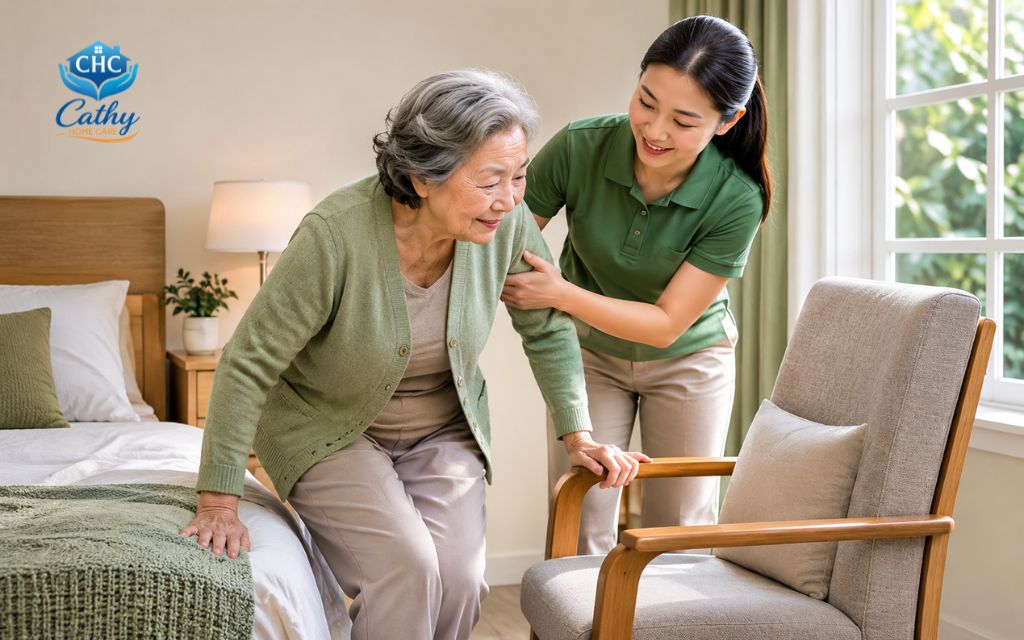
Transferring refers to the ability to move safely between positions, such as from a bed to a chair or from sitting to standing. When considering “what are activities of daily living?”, transferring is particularly important because it affects everyday movement and safety. Individuals with reduced strength or balance may require supervision, mobility aids, or physical assistance.
Continence
Continence refers to the ability to control bladder and bowel functions, which are essential aspects of personal hygiene and comfort. In healthcare, ADL meaning includes continence because it reflects a person’s ability to manage basic physical needs. Individuals with continence difficulties may require assistance with hygiene, protective products, or regular bathroom routines.
Eating or Feeding
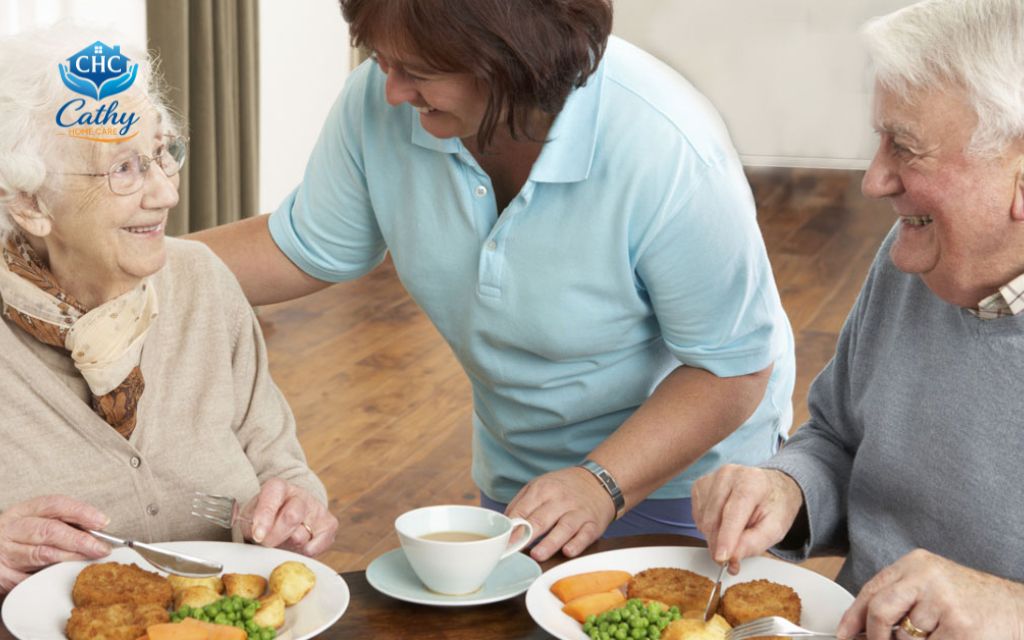
For those wondering “what are activities of daily living?”, feeding is a basic self-care activity, while meal preparation generally falls under IADL tasks. Individuals with limited hand coordination, weakness, or physical disabilities may need assistance with utensils or eating.
What Are Instrumental Activities of Daily Living (IADLs)?
Instrumental activities of daily living (IADLs) are more complex everyday tasks that help individuals manage their households and live independently. When exploring what are activities of daily living, it is important to distinguish basic personal care from activities that require greater planning, organisation, and decision-making.
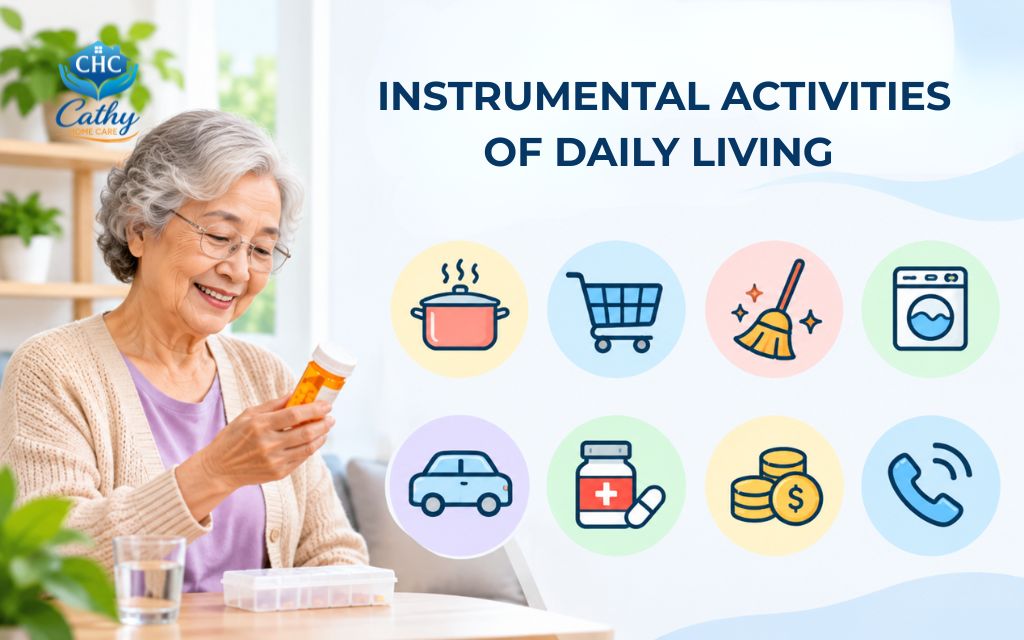
Common examples of IADLs include:
- Meal Preparation: Planning and preparing daily meals.
- Shopping: Purchasing groceries and household essentials.
- Housekeeping: Maintaining a clean and organised home.
- Laundry: Washing, drying, and putting away clothes.
- Transportation: Travelling to appointments and other destinations.
- Financial Management: Managing bills, expenses, and personal finances.
- Medication Management: Keeping track of prescribed medications and schedules.
- Communication: Using phones and other devices to stay connected.
ADLs vs. IADLs: What Is the Difference?
When exploring what are activities of daily living, understanding the difference between ADLs and IADLs helps clarify a person’s level of independence. ADLs involve essential personal care tasks, while IADLs cover more complex activities necessary for independent living. The table below highlights their key differences.
| Criteria | ADLs (Activities of Daily Living) | IADLs (Instrumental Activities of Daily Living) |
| Definition | Basic tasks required for personal self-care. | More complex tasks that support independent living. |
| Purpose | Maintain personal hygiene, comfort, and basic physical needs. | Manage household responsibilities and everyday life. |
| Examples | Bathing, dressing, toileting, transferring, continence, and eating. | Meal preparation, shopping, housekeeping, transportation, and managing finances. |
| Skills Required | Primarily physical and functional abilities. | A combination of physical, cognitive, and organisational abilities. |
| Level of Assistance | May require direct personal care or physical support. | May require supervision, reminders, or practical assistance. |
| Assessment | Commonly evaluated using the Katz ADL Index. | Commonly evaluated using the Lawton IADL Scale. |
Why Are ADLs Important in Senior Care?
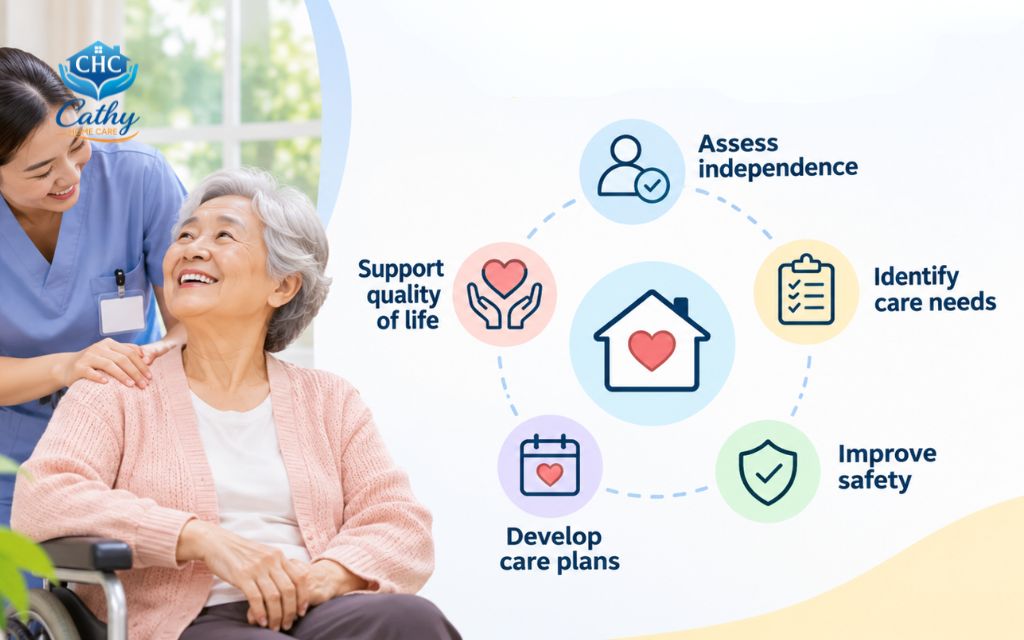
Activities of daily living (ADLs) play an important role in senior care because they reflect an older adult’s ability to manage essential personal tasks independently.
- Assessing Independence: Help determine whether seniors can complete basic personal care tasks without assistance.
- Identifying Care Needs: Reveal activities that require supervision, partial assistance, or hands-on support.
- Improving Safety: Highlight difficulties with bathing, toileting, or transferring that may increase everyday risks.
- Developing Care Plans: Help caregivers provide assistance based on individual abilities, preferences, and limitations.
- Supporting Quality of Life: Promote personal dignity, comfort, and independence through appropriate daily care.
How Are Activities of Daily Living Assessed?
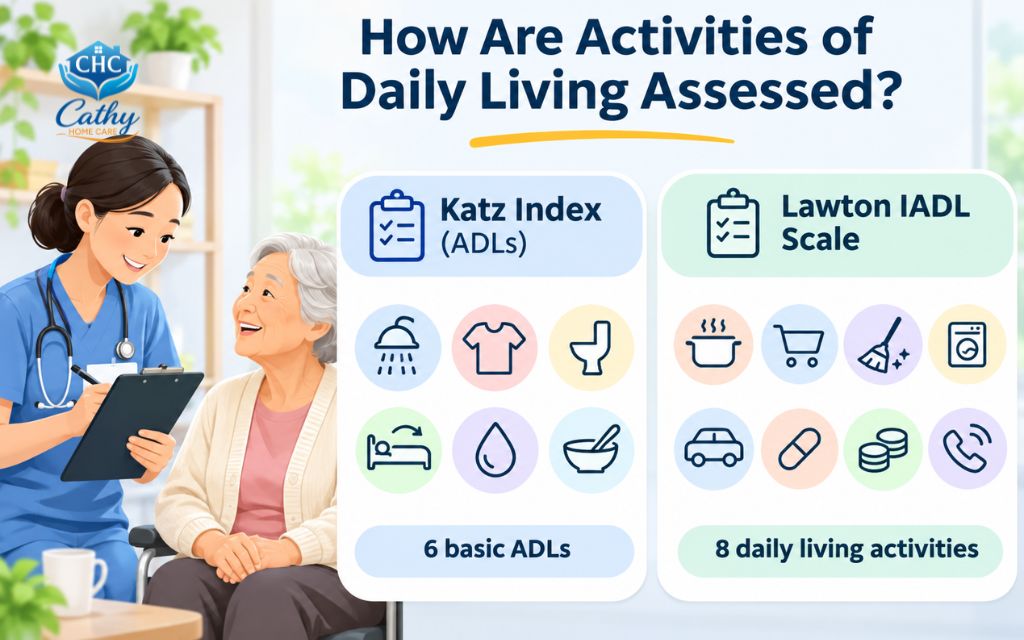
Healthcare professionals assess activities of daily living (ADLs) to determine how independently a person can perform essential daily tasks. These assessments identify whether someone can manage activities without assistance or requires supervision, reminders, or physical support.
Katz Index of Independence in Activities of Daily Living
The Katz Index measures independence across six basic ADLs: bathing, dressing, toileting, transferring, continence, and feeding. Each activity receives one point if performed independently or zero if assistance is required, for a total score of 0–6. Higher scores indicate greater independence, while lower scores suggest a greater need for personal care support.
Lawton Instrumental Activities of Daily Living Scale
The Lawton IADL Scale evaluates eight more complex activities, including meal preparation, shopping, housekeeping, laundry, transportation, medication management, financial management, and telephone use. The traditional scale scores independence across these tasks, with higher scores indicating greater functional ability.
Healthcare professionals use the results to identify difficulties with independent living and determine where additional assistance may be beneficial.
Signs A Loved One May Need Help With Daily Activities
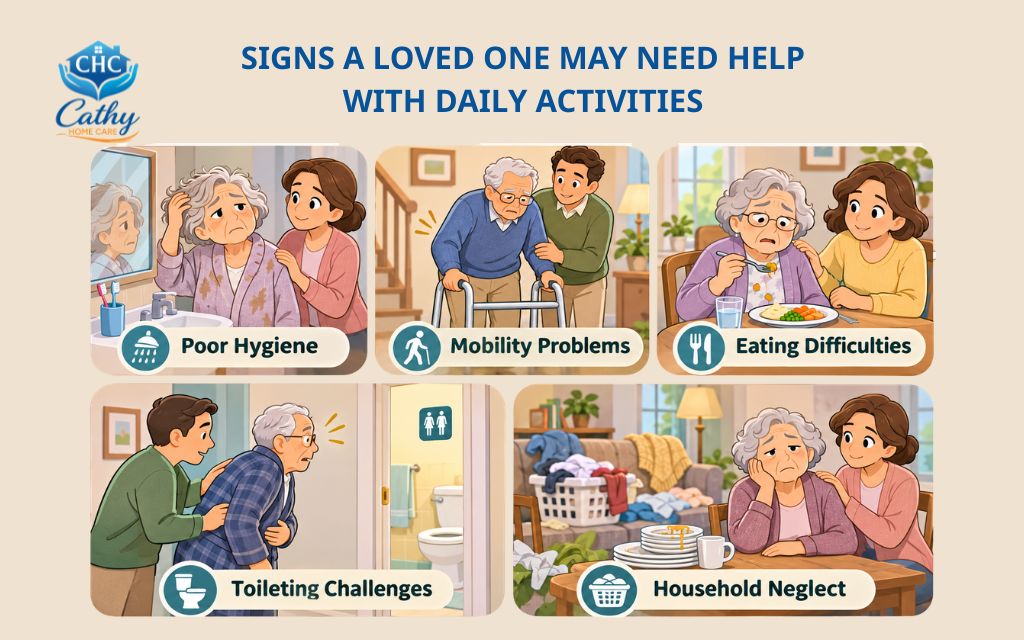
Families should pay attention to difficulties that affect personal care, safety, and independence.
Common signs include:
- Poor Personal Hygiene: Difficulty bathing, dressing, or maintaining cleanliness.
- Mobility Problems: Trouble walking, standing, or transferring safely.
- Eating Difficulties: Trouble using utensils or eating independently.
- Toileting Challenges: Frequent difficulty reaching or using the bathroom.
- Household Neglect: Unfinished laundry, missed meals, or increasing clutter.
- Greater Dependence: Frequent requests for help with routine activities.
How Cathy Home Care Supports Daily Living Activities
At Cathy Home Care, we believe everyone deserves to feel safe, comfortable, and respected in their own home. Since 2002, we have provided compassionate, reliable, and personalised non-medical home care services to seniors and individuals with disabilities throughout Houston.
Our Personal Care Services (PCS) help clients with essential daily activities, such as bathing, dressing, toileting, mobility, and meal preparation. Each care plan reflects the individual’s needs, preferences, and daily routines.

For eligible individuals, our Medicaid-approved Primary Home Care (PHC) programme provides additional personal assistance. Our multilingual caregivers respect each client’s cultural background while promoting dignity and independence.
Families can also explore our Home Health Aide Services for appropriate personal care support at home. We offer flexible schedules to help families find care that suits their circumstances.
Understanding what are activities of daily living and how they affect independence can help families recognise when a loved one needs extra support. With the right assistance, seniors and individuals with disabilities can maintain familiar routines, personal dignity, and greater comfort at home.
If your loved one needs help with daily activities, contact Cathy Home Care or call (713) 779-8998 to schedule a free home care consultation and explore available care options.