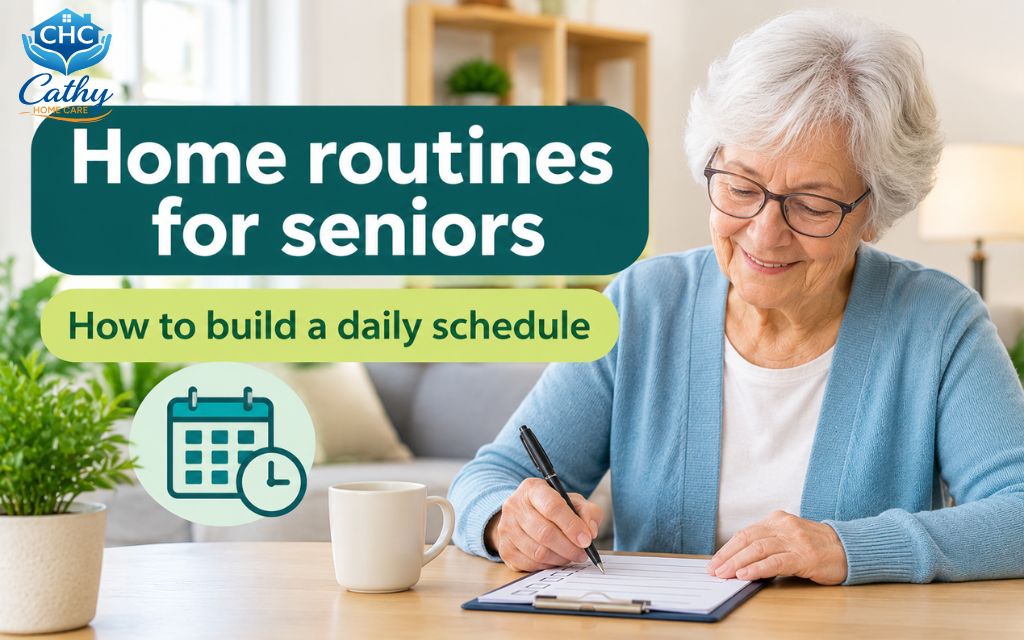
These indoor activities for seniors help older adults stay active, sharp, and connected at home in any weather. This guide is for families and caregivers. It sorts 30 ideas by ability, adds safety tips from the CDC and the National Institute on Aging, and shows how to adapt each idea for limited mobility, memory loss, or low vision.
Why indoor activities for seniors matter for health and mood
Indoor activities for seniors matter because they keep the body moving, the mind working, and social ties active on days spent at home. The National Institute on Aging (NIA) links hobbies and social activities to a lower risk of some health problems.
The NIA names dementia, heart disease, stroke, and some cancers among the conditions these activities may help reduce. Older adults who volunteer or stay physically active also report feeling happier and healthier.
Isolation is the risk on the other side. A 2020 National Academies report found that social isolation significantly increases the risk of death from all causes. Living alone, limited mobility, and no reliable transportation raise that risk for older adults.
A balanced activity plan covers 3 areas: movement for strength and balance, mental challenge for thinking skills, and contact with other people. The sections below give 5 ideas in each group.
How to choose the right activity for an older adult
To choose the right activity, start with what the person already enjoys, then match it to their energy, abilities, and safety needs. A pastime they loved at 40 often still works at 80 with a few changes.
We recommend 5 checks before you plan the week:
- Interest first: Ask about past jobs, hobbies, and favorite music. A retired mechanic may enjoy sorting a toolbox more than a coloring book.
- Energy by time of day: Schedule harder tasks for the hours when the person feels most alert. For many people, that is the morning.
- A social element: Add another person when possible, such as a grandchild on video or a neighbor for cards. Shared time adds connection that solo pastimes lack.
- Sensory adaptations: Use large print, brighter lighting, and captions for people with vision or hearing loss.
- Safe space: Clear the floor, use a sturdy chair with arms, and keep water within reach.
5 gentle physical activities seniors can do at home
Gentle physical activities help older adults keep the strength and balance they need for daily tasks like standing up, walking, and bathing. The CDC recommends at least 150 minutes of moderate activity each week for adults 65 and older, plus muscle-strengthening on 2 or more days and activities that improve balance.
People with chronic conditions should stay as active as their abilities and conditions allow. The CDC also notes that some physical activity is better than none. These 5 indoor options fit most homes:
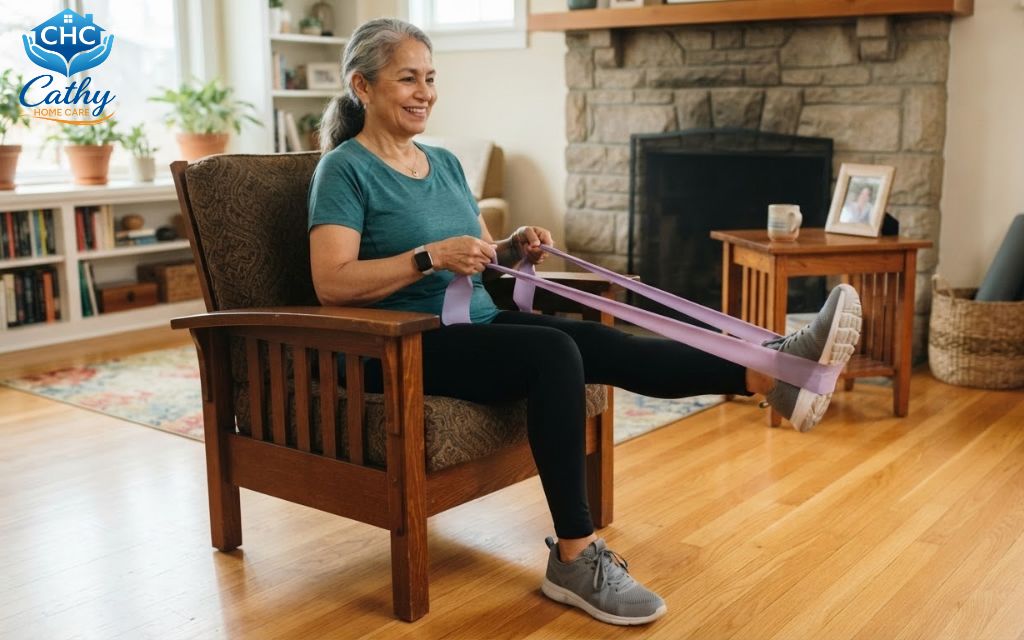
- Chair exercises and chair yoga: Seated marches, arm circles, and ankle rolls build strength without standing. Use a sturdy chair with a seat about 17 to 19 inches (43 to 48 cm) high so the feet rest flat.
- Indoor walking laps: Walking a 30-foot (9 m) hallway and back 10 times covers about 600 feet (183 m). Short laps after each meal add up over a week.
- Tai chi and balance practice: Slow tai chi moves train balance and posture. Stand next to a kitchen counter for support during heel-to-toe stands.
- Light strength work: Resistance bands or two 15-ounce (425 g) soup cans work as starter weights for arm curls and shoulder presses.
- Dancing to favorite music: A 10-minute dance to familiar songs raises the heart rate and often brings back good memories.
Safety comes first because about 1 in 4 older adults report falling each year, according to the CDC. Ask a doctor or physical therapist before starting a new routine, especially after a fall, surgery, or new diagnosis. Our guide on how to prevent falls for elderly at home covers the home changes that make movement safer.
5 brain-boosting games and puzzles for older adults
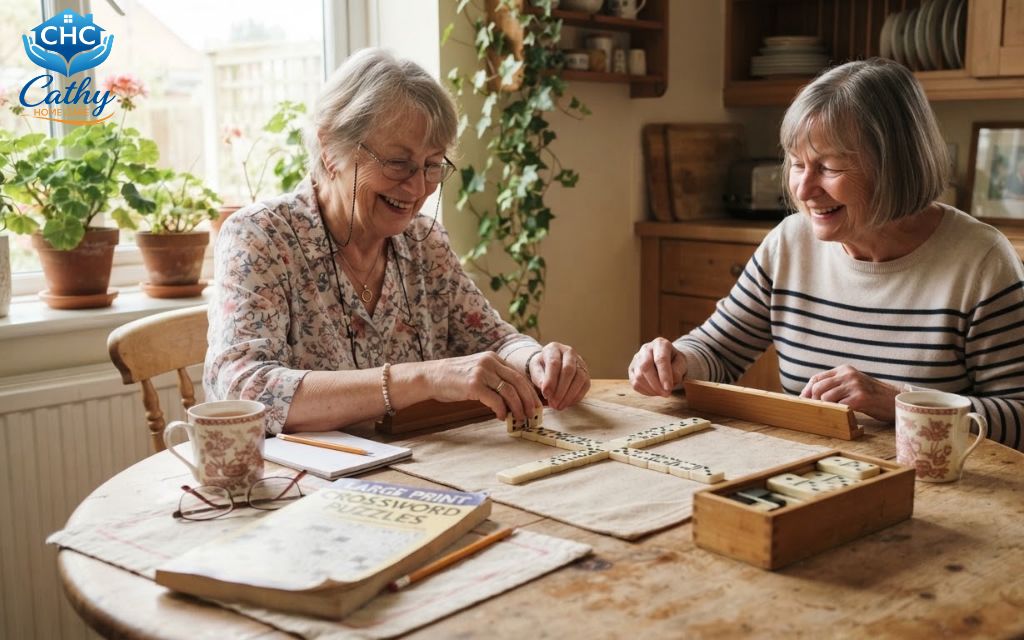
Brain-boosting games give older adults a daily mental workout from the kitchen table. The NIA notes that mentally stimulating activities may benefit memory, and that variety may help more than repeating one activity. Try these 5 games and puzzles:
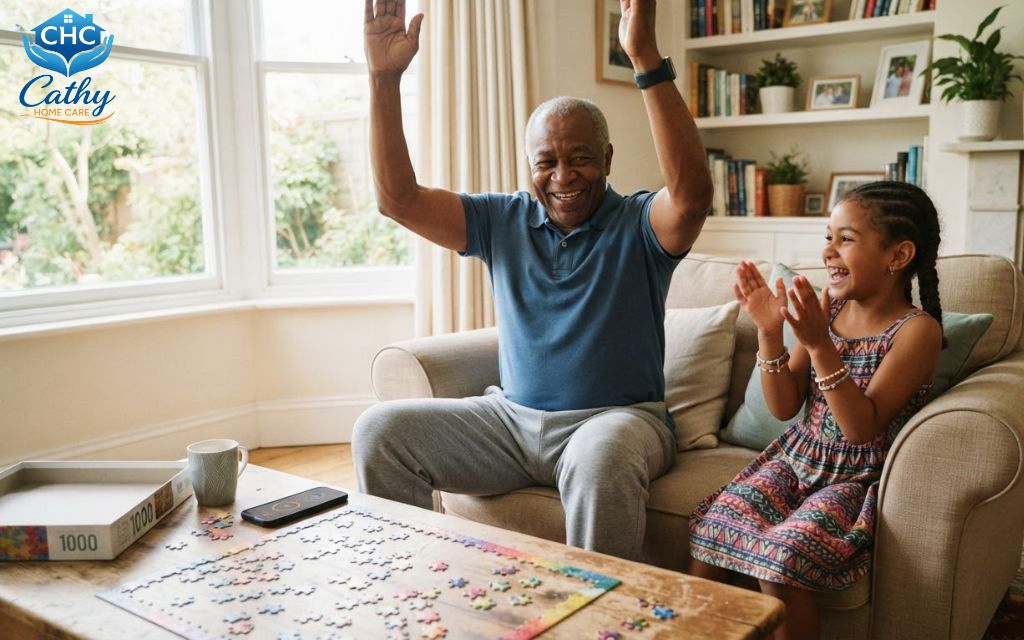
- Large-piece jigsaw puzzles: Puzzles with 36 to 300 pieces suit most players. Bigger pieces help people with arthritis or low vision.
- Card and board games: Rummy, checkers, dominoes, and Scrabble mix strategy with conversation. Large-print playing cards make suits easier to read.
- Word puzzles and trivia: Crosswords, word searches, and trivia about a favorite decade keep vocabulary and recall active.
- Memory games: Matching cards, “name that tune,” and recalling a grocery list train short-term memory in 10-minute rounds.
- New skills and classes: A language app, an online course, or a library lecture adds fresh learning on the person’s own schedule.
5 creative and hands-on hobbies for seniors at home
Creative hobbies give seniors a finished piece to show, gift, or display, which adds purpose to the day. Hand work also gives fingers regular practice. These 5 hobbies need little space:
- Painting, drawing, and coloring. Watercolors, sketch pads, and adult coloring books need little setup. Thick-handled brushes and pencils help with a weak grip.
- Knitting, crochet, and sewing. Scarves, blankets, and hats can go to grandchildren or a local charity. Bigger needles and bulky yarn suit stiff hands.
- Model kits and tabletop projects. Model planes, ships, and birdhouses suit people who enjoy building or fixing things.
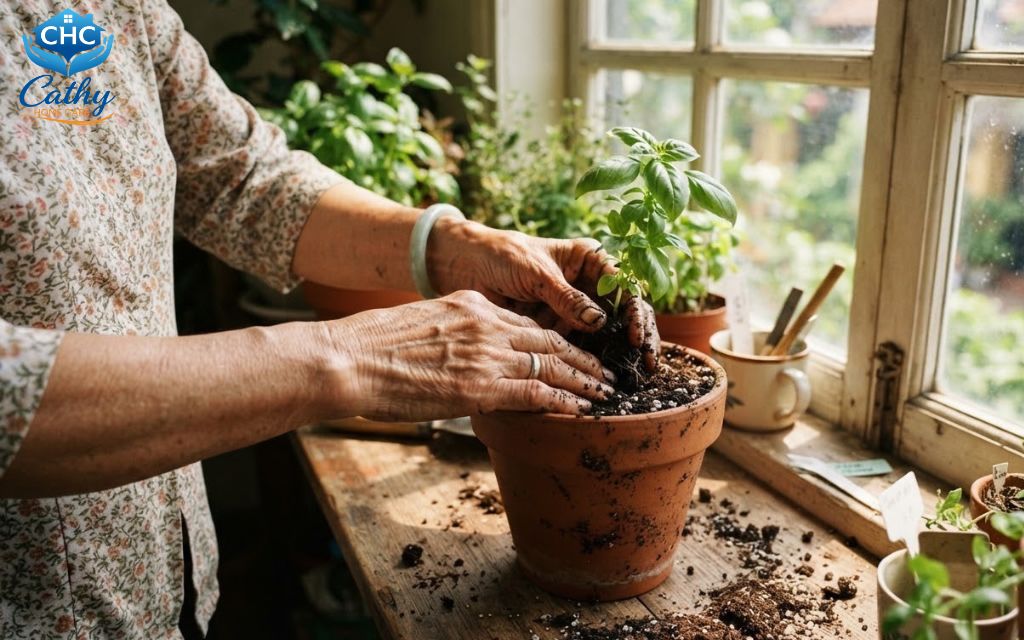
- Indoor gardening. Herbs such as basil, mint, and parsley grow in pots on a sunny windowsill. A 6-inch (15 cm) pot stays light enough to move.
- Cooking and baking. A family recipe turns into a lesson, a memory, and a meal. Pair it with our kitchen safety checklist for elderly adults and tips for making senior meal preparation easier and safer at home.
5 social activities that keep seniors connected
Social activities keep seniors connected to the people and groups that matter to them. Regular contact counts, even when the person rarely leaves home. Use these 5 ideas:
- Video and phone calls: Schedule a weekly call with grandchildren or old friends. Amplified or captioned phones help people with hearing loss.
- Game night or a home book club: Invite 2 or 3 neighbors for cards or a short book talk once a week.
- Letters and greeting cards: Handwritten cards for birthdays, holidays, or a charity drive give the person a reason to reach out.
- Volunteering from home: Phone check-ins with other seniors, knitting for hospitals, and addressing envelopes for nonprofits build a sense of purpose.
- Faith and spiritual practice: Streamed services, prayer groups by phone, and devotional reading keep spiritual routines in place.

5 relaxing and sensory activities for calm days
Relaxing activities help older adults rest, ease stress, and enjoy quiet hours without the TV running all day. These 5 options suit low-energy afternoons:
- Music and sing-alongs: Playlists from the person’s teen and young adult years often spark memories and conversation.
- Audiobooks and podcasts: Free library apps lend audiobooks, which suit people with low vision.
- Virtual museum and travel tours: Many museums and national parks offer free online tours of places the person always wanted to see.
- Breathing and mindfulness: Five minutes of slow breathing or a guided meditation can ease tension before bed.
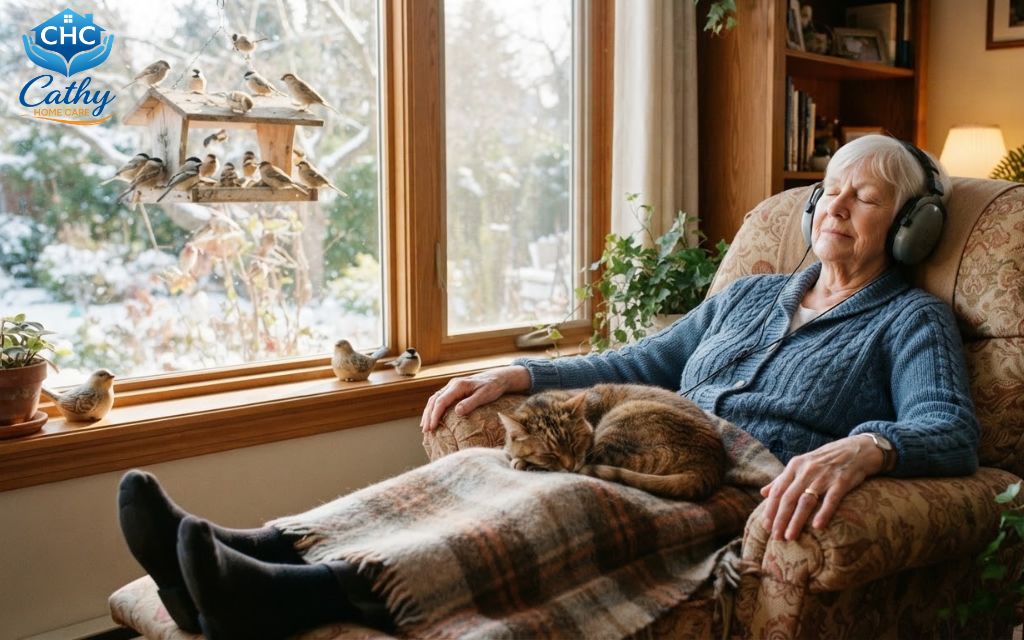
- Pets and bird-watching: Brushing a cat, walking a dog indoors, or watching a window bird feeder adds daily routine and companionship.
5 meaningful activities built on memories and purpose
Meaningful activities help seniors feel useful and remembered, which matters as much as staying busy. These 5 projects create something the family keeps:
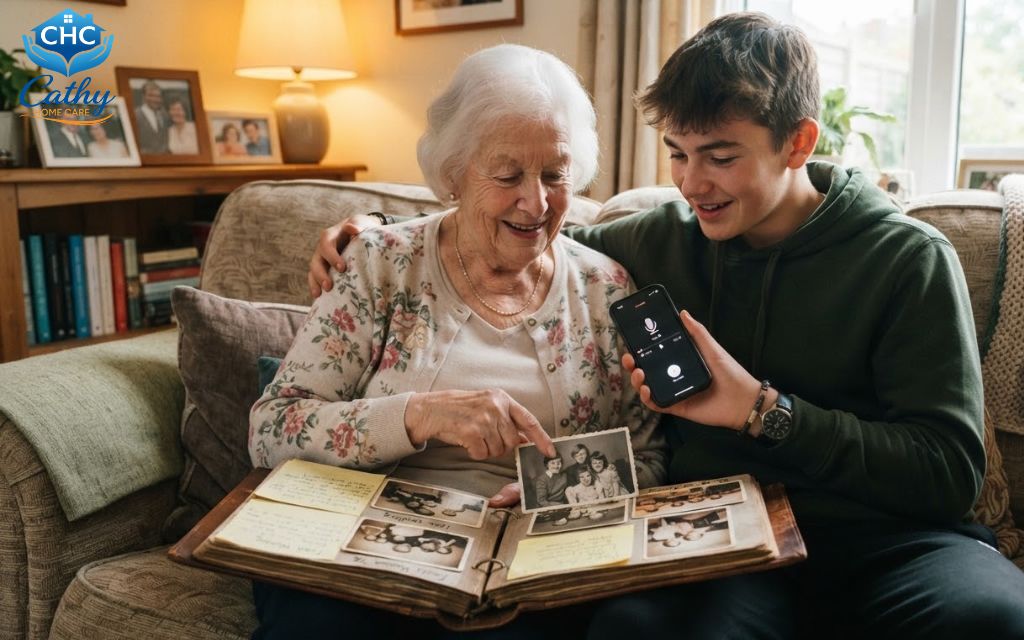
- Photo albums and scrapbooks: Sorting old photos into albums starts conversations about people, places, and dates.
- A life story or memoir: Writing or recording one story a week builds a family keepsake. Prompts such as “your first job” make starting easier.
- A family tree: Free genealogy records and family interviews turn history into a shared project.
- Story recordings with grandchildren: A grandchild records questions on a phone and saves the answers for the whole family.
- Household roles: Folding laundry, sorting mail, or setting the table gives the person a real job in the home.
Indoor activities for seniors with different needs
Indoor activities work best when they match the person’s current abilities, not past ones. The 4 groups below cover the most common changes families face at home.
Limited mobility, wheelchair use, or bed rest
Seniors with limited mobility can do most table and lap activities from a chair, wheelchair, or bed. A lap tray, an over-bed table, or a table at elbow height makes the setup work.
Seated arm and leg exercises, card games, crafts, and video calls need no standing. Change position about every 30 minutes when possible, and ask a physical therapist which moves are safe.
Memory loss or dementia
For a person living with dementia, the goal of an activity is enjoyment, not a perfect result. The Alzheimer’s Association recommends building on skills the person still has. Follow these 4 tips from the association:
- Break tasks into small steps: Focus on one step at a time, and help with the hardest part.
- Draw on past work and hobbies: Sorting, organizing, or gardening can feel familiar and meaningful.
- Let the person lead: Allow them to do a harmless task their own way, without correcting.
- Try again later: Change the time of day or simplify the task if it does not work today.

Low vision or hearing loss
Seniors with low vision or hearing loss enjoy activities that use their stronger senses. Audiobooks, tactile crafts, and music suit low vision, while large-print puzzles and captioned shows suit hearing loss.
Bright, even lighting and a quiet room reduce strain for both groups. Face the person when you talk during games so they can read your lips and expressions.
When your parent isn’t interested
A parent who turns down activities may be coping with grief, low energy, or fear of failing. Start small: one short, familiar task with you beside them, such as making coffee together.
Offer choices instead of fixed plans, and give the person a role that helps others. Talk with their doctor if sadness, poor sleep, or loss of interest lasts for weeks, because these can be signs of depression that needs care.
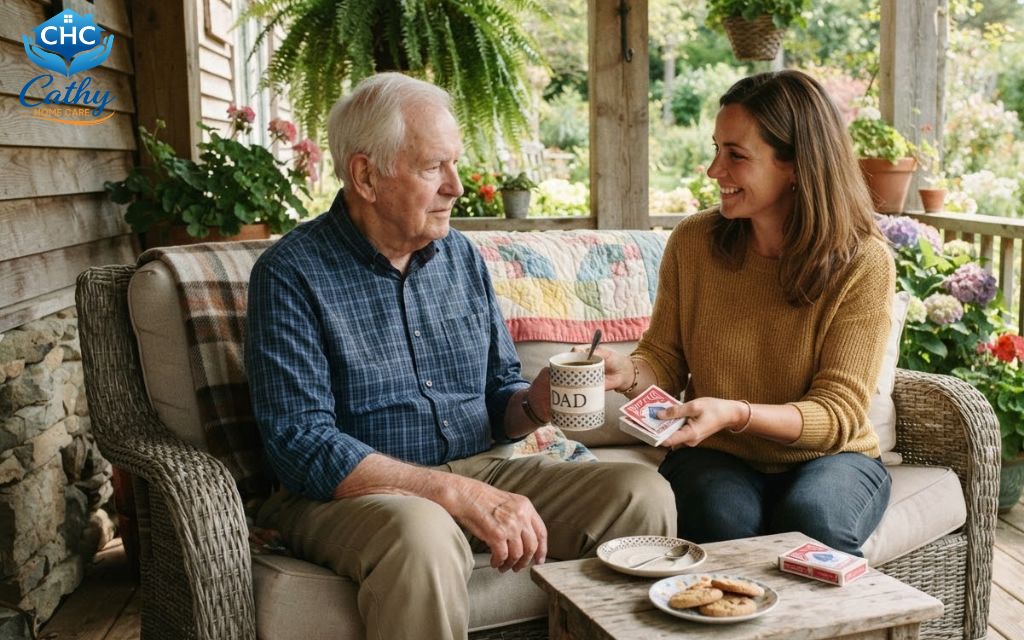
Things to do with older parents when you visit
Visits feel fuller when you do something together instead of only talking about health. These 5 ideas fit a 1- to 2-hour visit:
- Cook a family recipe: Let your parents direct the steps while you handle the knife and stove.
- Label old photos: Write names and years on the backs so the family history stays clear.
- Play their favorite game: Learn the rules from them, which puts your parents in the expert role.
- Trade a skill: Teach a phone feature, and ask them to teach you a recipe, a card trick, or a stitch.
- Plan the next visit: Choose the next activity together so they have something to look forward to.

How to keep seniors active on hot or stormy Houston days
To keep seniors active on hot Houston days, move the day’s activities into a cool room and plan around heat safety. The CDC says people 65 and older are more prone to heat-related health problems, partly because they adjust less well to sudden temperature changes. Use these 4 habits from CDC guidance:
- Stay in air conditioning: Plan activities in an air-conditioned room, and save rest for the hottest hours.
- Offer water often: Encourage drinks before thirst sets in, unless a doctor limits fluids.
- Choose no-cook projects: Skip baking on extreme heat days, since the stove and oven add heat to the home.
- Check in twice a day: Visit or call at least twice daily if your parents live alone during a heat wave.
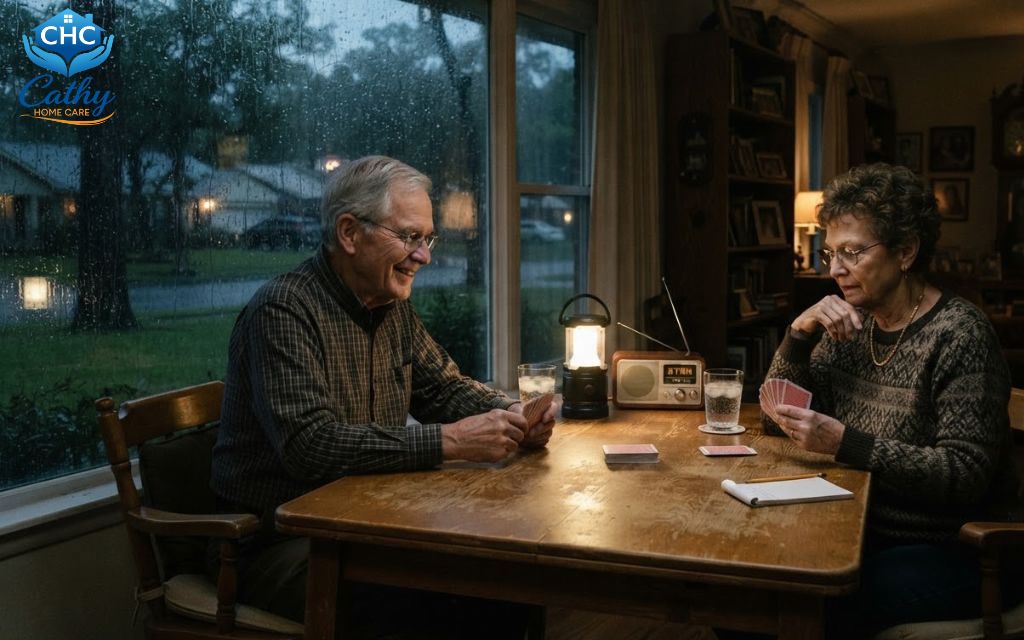
Keep a storm-day kit of cards, puzzles, books, and a battery radio for power outages. Seek medical care right away for heat illness signs such as muscle cramps, headache, nausea, or vomiting.
Free and low-cost indoor activity options in Houston
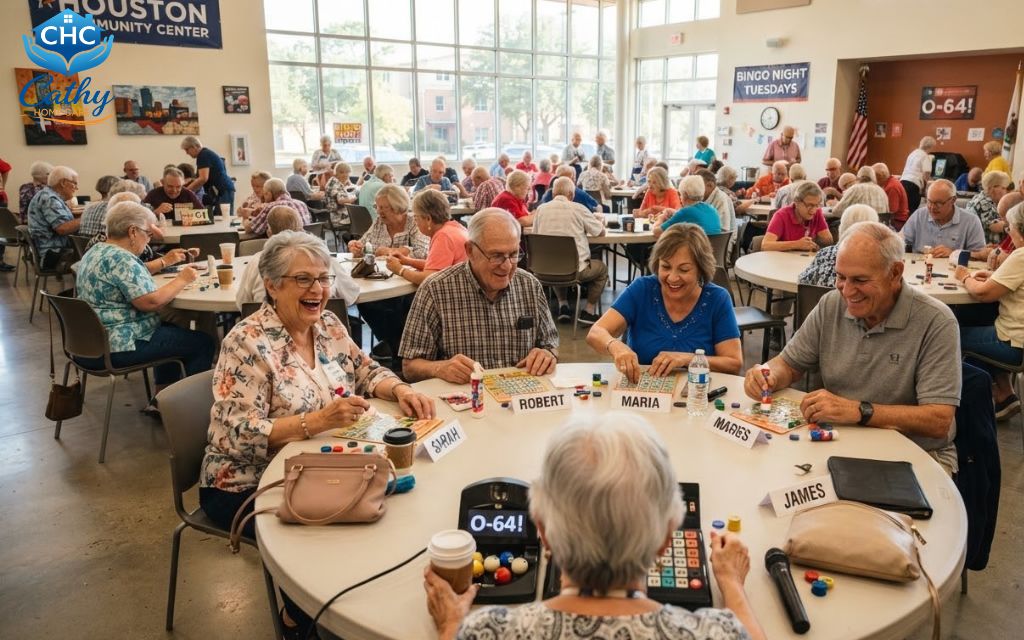
Houston families can find free and low-cost activity options through public programs for adults 60 and older. The Harris County Area Agency on Aging, part of the Houston Health Department, plans services for older adults across Harris County. Start with these 3 options:
- Senior and community centers: Centers serve hot congregate meals 5 days a week, and many add games, exercise classes, and social events.
- Caregiver support: The agency offers information and respite services for family caregivers. Call 832-393-4301 or email [email protected].
- Public libraries and faith communities: Branch libraries and congregations often host book clubs, classes, and coffee groups. Check your local branch calendar.
How to build activities into a daily routine
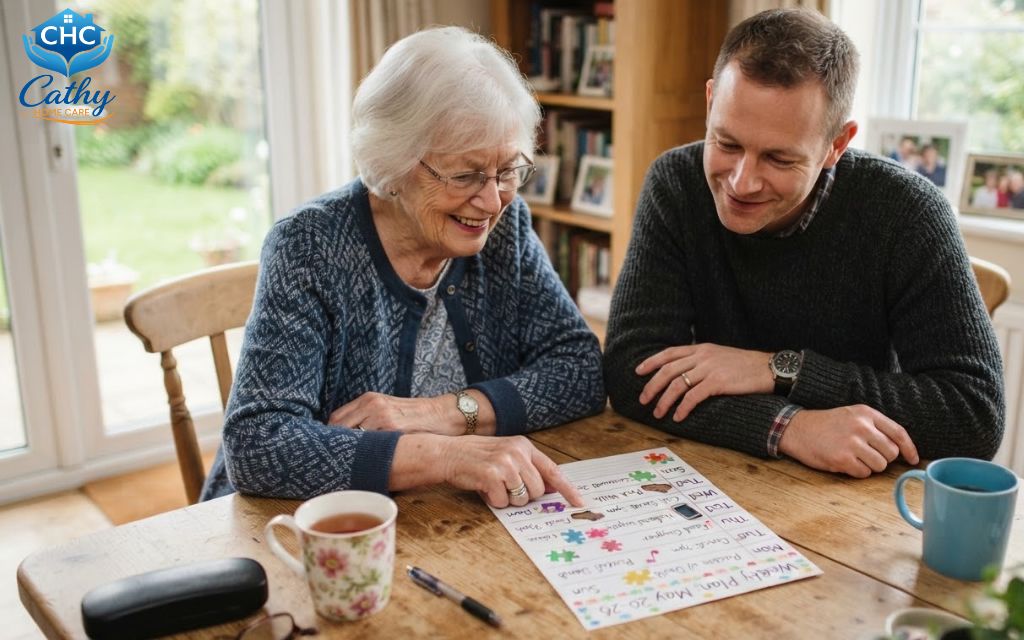
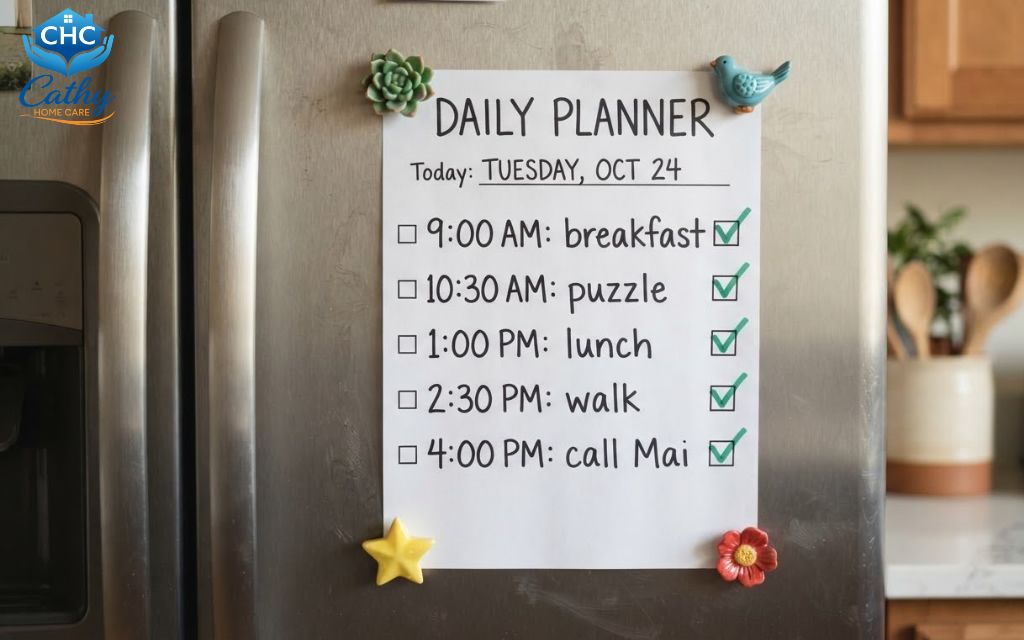
To build activities into a daily routine, tie each one to an anchor that already happens, such as a puzzle after breakfast, a walk after lunch, and a phone call before dinner. Activities stick when they happen at the same time each day.
Keep the plan light: 2 or 3 planned activities a day leave room for rest and visitors. Our guide to home routines for seniors includes a sample day and 5 safe movement breaks.
How in-home support makes more activities possible
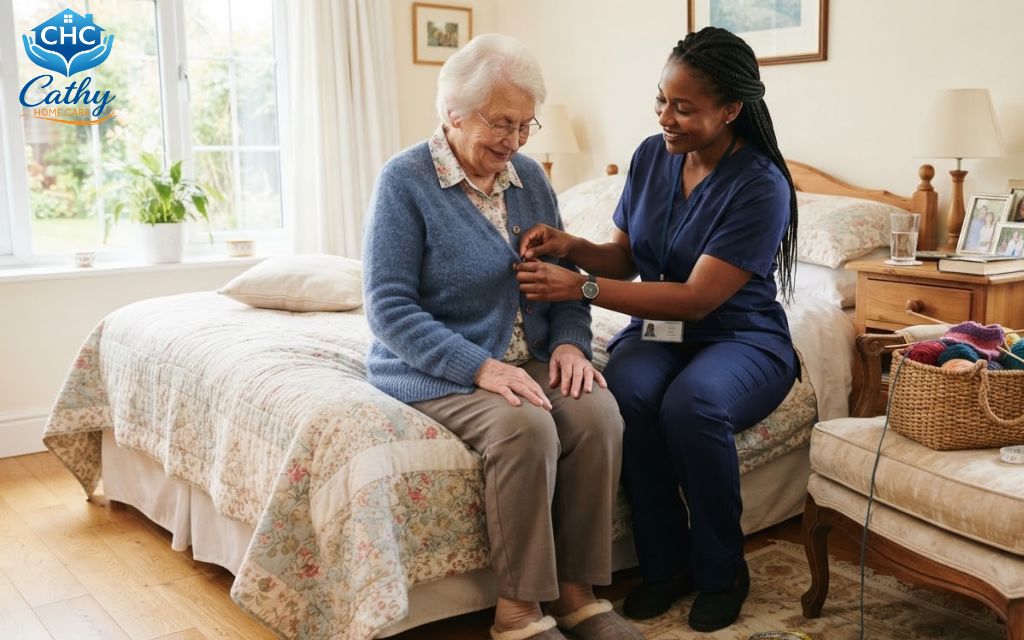
In-home support makes more activities possible because it saves the person’s energy for what they enjoy. When bathing, dressing, and meals take most of the morning, little strength remains for hobbies.
A caregiver who helps with activities of daily living (ADLs) takes on the tiring tasks. Personal care services and home health aide services cover help such as bathing, dressing, mobility, meal preparation, and light housekeeping.
Watch for signs that daily tasks have become hard, such as skipped meals or missed baths. Our list of 12 signs an elderly parent cannot live alone safely helps families decide when to ask for help.
Cathy Home Care – In-home support for Houston families
Cathy Home Care is a Houston home care agency that has supported seniors and adults with disabilities since 2002. We help families in Houston, Sugar Land, Fort Bend, and nearby communities keep loved ones safe and comfortable at home.
Our team provides home health aide services, personal care services, and Primary Home Care (PHC), a Texas Medicaid program for eligible adults with functional limitations. Our caregivers help with bathing, dressing, mobility, and meals, so more of the day stays free for the activities your loved one enjoys.
Families who want to plan indoor activities for seniors around a care schedule can call (713) 779-8998 or request a call back. Our office is at 7601 W Sam Houston Pkwy S, Suite 818, Houston, TX 77072.

FAQs about indoor activities for seniors
What can elderly people do at home all day?
Elderly people can fill the day with a mix of movement, mental games, hobbies, and social contact. A balanced day might include a 10-minute chair workout, a puzzle, a hobby, and a phone call, with rest in between.
How much exercise should seniors get each week?
The CDC recommends at least 150 minutes of moderate activity a week for adults 65 and older, plus strength work on 2 days and balance activities. People with health conditions should be as active as their abilities allow.
What activities are good for seniors with dementia?
Simple, familiar tasks such as folding laundry, sorting objects, listening to music, and looking at photos suit people with dementia. Focus on enjoyment and skip corrections when the task is harmless.
How can I get my elderly parents interested in activities?
Start with one short activity tied to something your parents already love, and do it with them. Offer choices, keep sessions brief, and talk to a doctor if low mood lasts.
Are there free activities for seniors in Houston?
Yes. Senior and community centers, public libraries, and programs linked to the Harris County Area Agency on Aging offer free or low-cost options for adults 60 and older. Call the agency at 832-393-4301 for referrals.
Is it bad for seniors to watch TV all day?
Watching TV all day limits movement and social contact, so TV works best as one part of a varied day. Pair a favorite show with stretching during commercials or a talk about the episode afterward.
What are good indoor activities for seniors with limited mobility?
Chair exercises, card games, crafts, music, and video calls work well for seniors with limited mobility. Use a lap tray or a table at elbow height, and ask a therapist which exercises are safe.