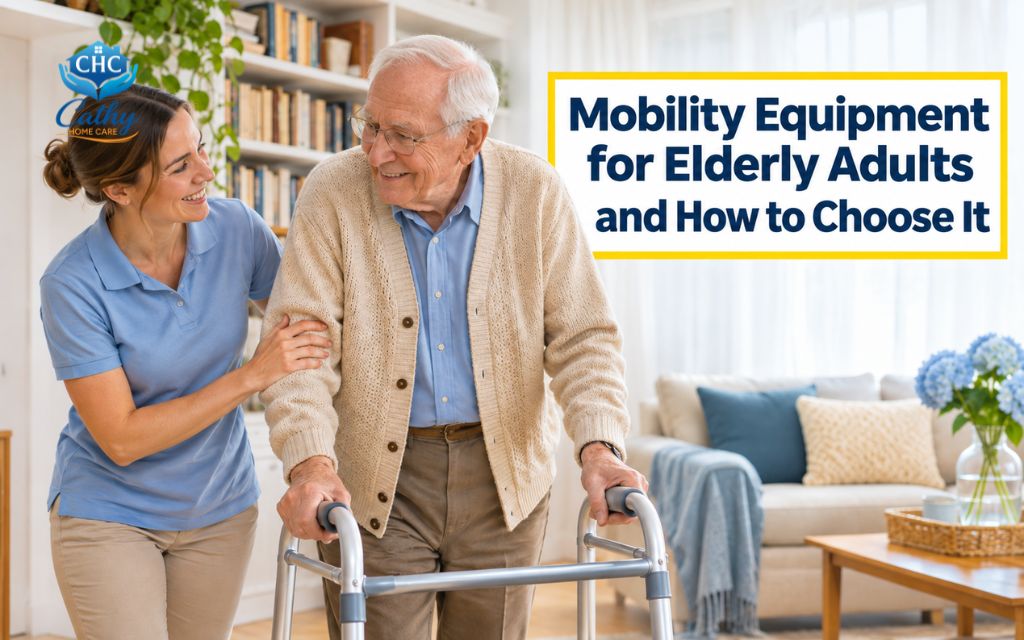
As we grow older, changes in strength, balance, or mobility can make familiar activities more difficult. Mobility equipment for elderly adults, such as canes, walkers, wheelchairs, and scooters, can provide additional support and help them move with greater confidence. However, each device serves different needs, so families should consider safety, comfort, and individual abilities before making a choice.
What Is Mobility Equipment For Elderly Adults?
Mobility equipment for elderly adults refers to assistive devices that help individuals walk, maintain balance, or move between locations when physical limitations affect their independence. These devices may support everyday movement, reduce physical strain, or provide an alternative when walking becomes difficult.
When Does An Older Adult Need Mobility Assistance?
Older adults may need additional mobility support when changes in strength, balance, or endurance begin to affect daily life. Before choosing mobility equipment for elderly loved ones, families should recognise difficulties that may indicate a need for professional assessment.
Common signs include:
- Unsteady Walking: Frequent loss of balance or difficulty maintaining a steady pace.
- Difficulty Standing: Trouble rising from a bed, chair, or toilet.
- Reduced Endurance: Fatigue or weakness after short walking distances.
- Joint Discomfort: Pain or stiffness that makes everyday movement difficult.
- Fear Of Falling: Reluctance to walk alone after previous falls or near misses.
- Greater Dependence: Frequent requests for help with movement around the home.
These changes deserve attention, particularly when they become persistent. Families can also review the signs an elderly parent cannot live alone safely to identify other concerns.
A healthcare professional can assess mobility limitations and recommend suitable elderly mobility aids. Sudden weakness or an abrupt inability to walk requires urgent medical evaluation.
What Are The Main Types Of Mobility Equipment For Seniors?
Families who explore mobility equipment for elderly relatives will find several options designed for different physical abilities and daily routines. Some mobility aids for seniors provide support while walking, while others allow seated movement or help with transfers. Each type serves a different purpose, as explained below.
Canes And Walking Sticks
Canes are among the most common walking aids for elderly adults who need mild support with balance or stability. They may also help reduce pressure on a weaker or painful leg.
- Single-Point Canes: Provide light support through one rubber-tipped contact point.
- Quad Canes: Have four ground-contact points for additional stability.
- Adjustable Walking Sticks: Allow users to adjust the height for a more comfortable fit.
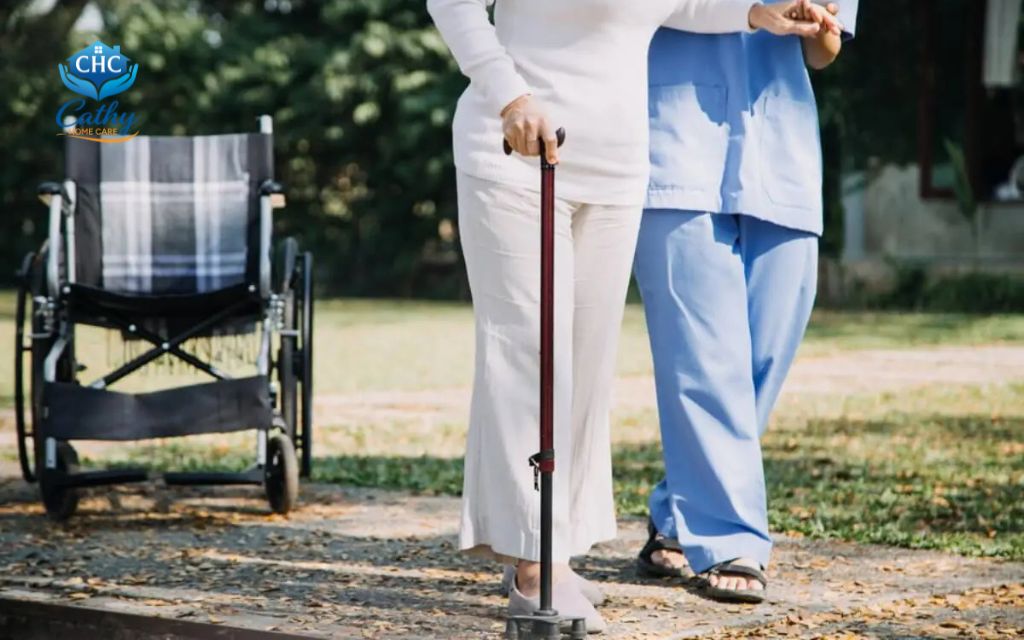
Although sometimes described as old age walking aids, canes should be selected according to individual abilities rather than age alone. They provide less support than walkers and may not suit people with significant balance difficulties.
Walkers And Rollators
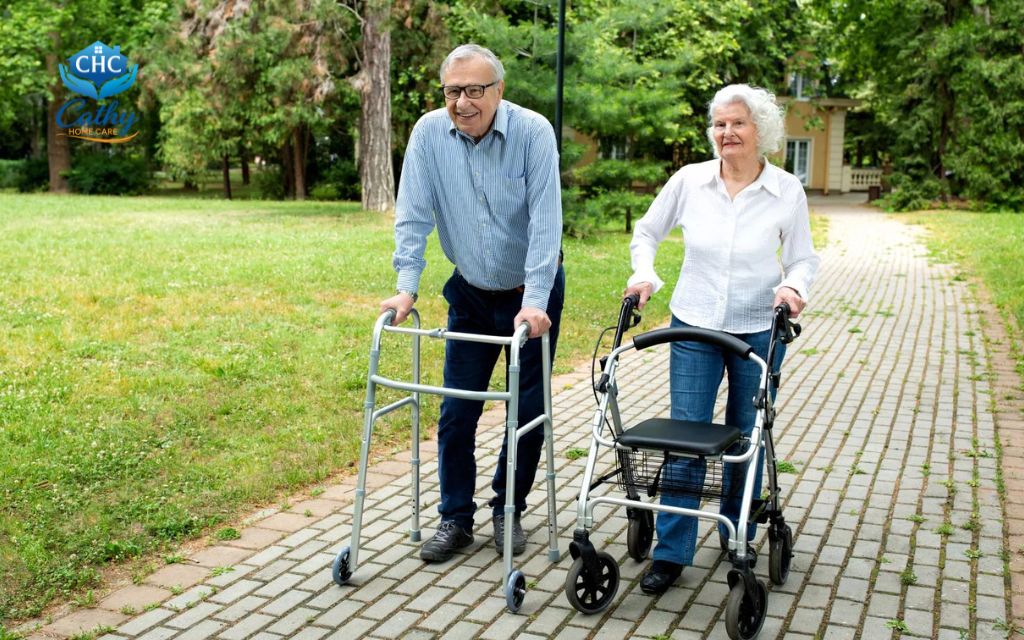
Walkers provide a broader support base than canes, making them suitable for some older adults who need additional stability. Among mobility aids for walking, walkers and rollators differ in design and how users control their movement.
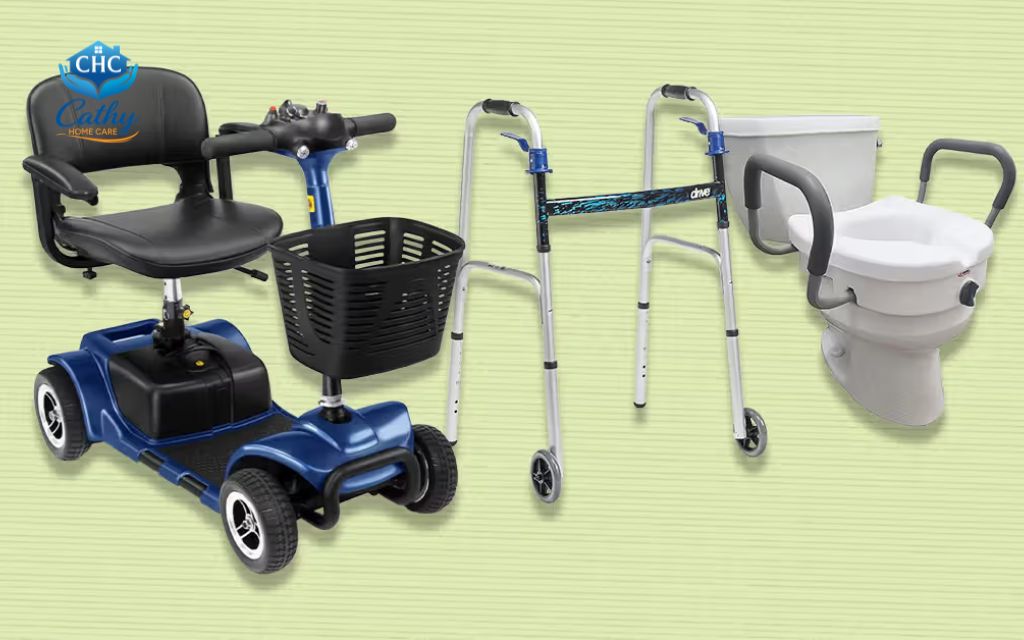
- Standard Walkers: Have four legs without wheels and generally require lifting to advance.
- Two-Wheel Walkers: Have front wheels and rear legs for controlled forward movement.
- Rollators: Usually feature three or four wheels, hand brakes, and sometimes a seat.
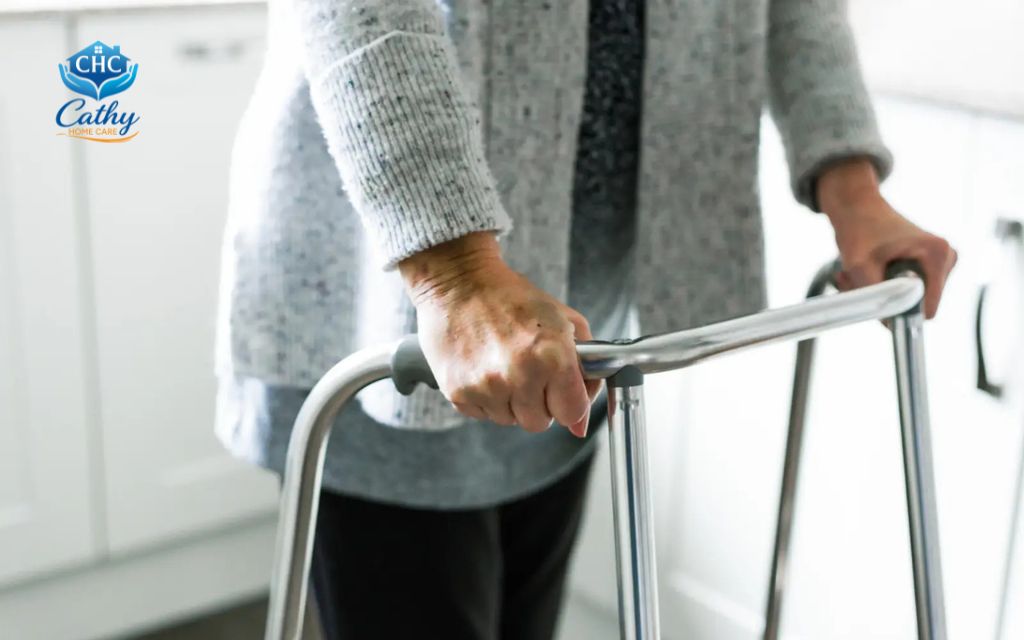
Families should consider grip strength, balance, and the ability to operate brakes when comparing walking aids for seniors. Rollators may offer convenience but are not necessarily safer for everyone.
Wheelchairs And Transport Chairs
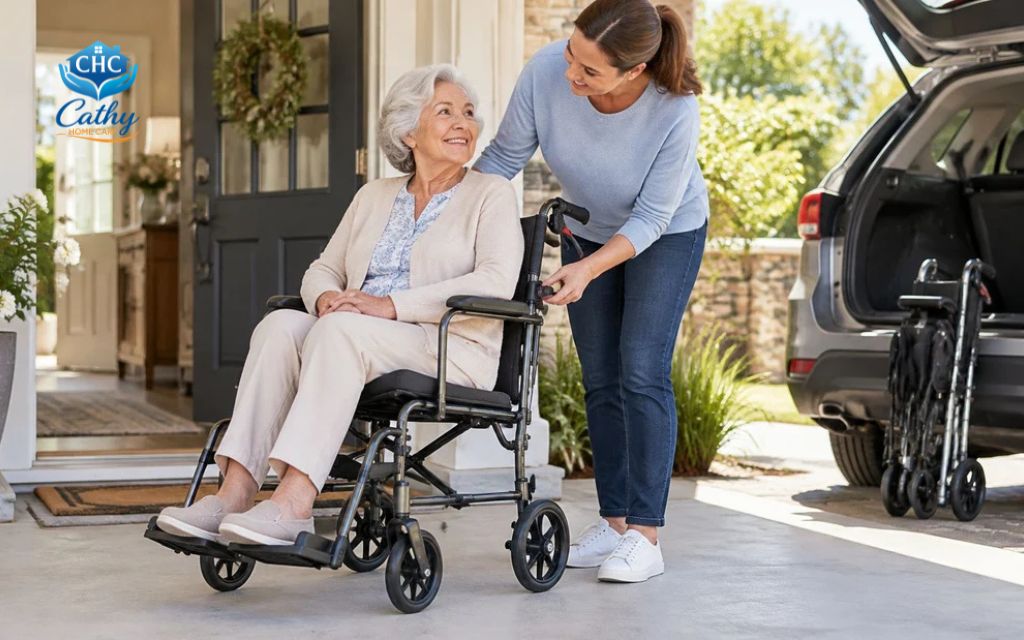
Some mobility equipment for elderly adults provides seated mobility when walking becomes unsafe, painful, or too tiring. Wheelchairs and transport chairs can help individuals move around their homes or access community activities with appropriate support.
- Manual Wheelchairs: Allow self-propulsion or caregiver assistance, depending on design and ability.
- Power Wheelchairs: Use electric motors and controls for individuals who meet the necessary requirements.
- Transport Chairs: Require another person to push and are often designed for shorter journeys.
Mobility Scooters
Mobility scooters provide powered transportation for some older adults who have difficulty walking longer distances but can sit upright, transfer safely, and operate the controls.
These mobility devices for seniors may be useful for shopping trips, outdoor activities, and accessible community spaces.
Before selecting a scooter, families should consider:
- Operating Controls: Ensure the user can steer, accelerate, and brake safely.
- Turning Space: Check whether the scooter can navigate intended routes.
- Battery Requirements: Consider charging access and storage arrangements.
- Transfer Ability: Confirm the user can get on and off safely.
Transfer And Home Accessibility Aids
Beyond walking devices, mobility equipment for elderly adults may include aids that help individuals change positions or move through their homes more safely.
Common types of elderly mobility equipment include:
- Grab Bars: Provide secure handholds near toilets, showers, and other appropriate locations.
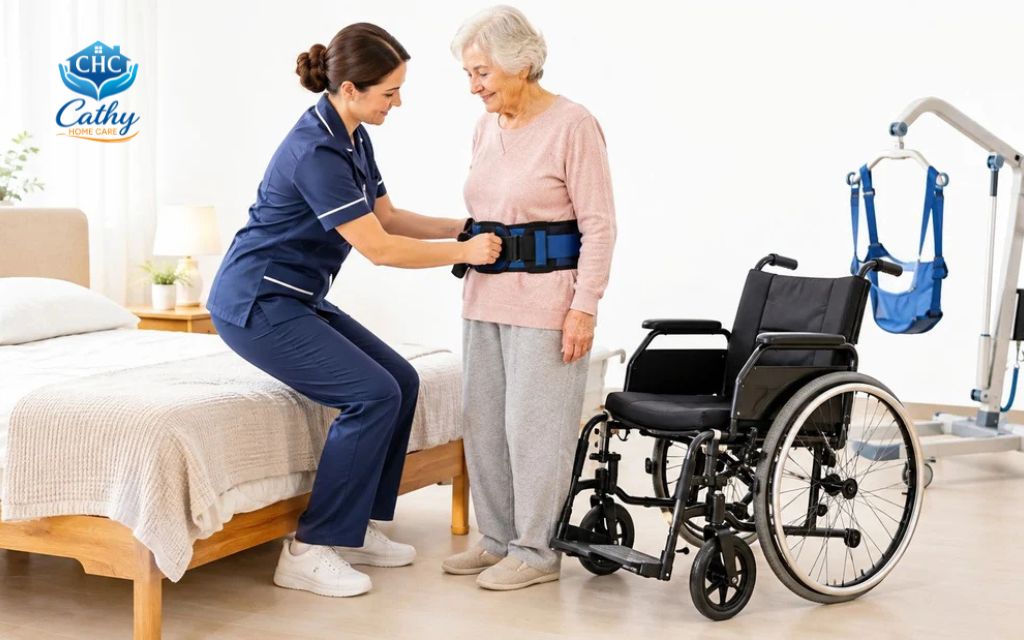
- Transfer Boards: Assist certain individuals with movement between suitable seated surfaces.
- Patient Lifts: Help caregivers transfer individuals who require substantial physical assistance.
- Ramps: Improve access to entrances and areas with small elevation changes.
How To Choose The Right Mobility Equipment For Elderly Adults
When selecting mobility equipment for elderly adults, families should consider more than convenience or appearance. The device must match the user’s strength, balance, physical limitations, and daily environment. A healthcare professional or physical therapist can help assess individual needs and recommend appropriate equipment.
Before making a decision, consider these factors:
- Mobility Needs: Assess walking ability, balance, strength, and physical endurance.
- Physical Abilities: Consider grip strength, coordination, and the ability to control the device.
- Home Environment: Check doorways, flooring, stairs, and available space.
- Comfort And Fit: Ensure appropriate height, dimensions, and physical support.
- Daily Activities: Choose equipment that suits indoor routines and outdoor needs.
- Professional Guidance: Seek advice on device selection, fitting, and safe operation.

For independent seniors, mobility devices for everyday use in 2026 should prioritise safety, comfort, and ease of use over unnecessary features. These devices should also fit naturally into daily routines, especially when families take an active role in caring for elderly parents at home and supporting their independence.
How Can Seniors Use Mobility Aids Safely At Home?
For many older adults, the ability to move freely around their own home brings comfort, confidence, and a sense of independence. Mobility aids for seniors can make everyday activities easier, but proper use is essential to prevent accidents and unnecessary strain. Here are some practical ways to improve mobility safety at home:
- Ensure Proper Fit: Adjust mobility aids to the user’s height, physical abilities, and support needs.
- Practice Safe Movements: Help seniors learn proper techniques for walking, turning, standing, and transferring.
- Keep Pathways Clear: Remove loose rugs, electrical cords, and clutter that may cause trips or falls.
- Choose Supportive Footwear: Encourage well-fitting shoes with non-slip soles and secure fastenings.
- Inspect Equipment Regularly: Check brakes, wheels, handles, and rubber tips for damage or wear.
- Provide Assistance When Needed: Offer steady support during difficult movements without limiting safe independence.
Make Everyday Mobility Easier With Cathy Home Care
At Cathy Home Care, we understand how important it is for older adults to feel safe, confident, and independent in their own homes. Since 2002, we have supported Houston families through compassionate, personalised Personal Care Services, with assistance for walking, transferring, and other daily activities. Our caregivers respect each person’s abilities, preferences, and familiar routines while providing support when needed.

We believe that growing older should never mean losing dignity or the comfort of home. Through our Medicaid-approved Primary Home Care (PHC) programme, eligible individuals can receive personal assistance tailored to their needs. With flexible schedules and multilingual caregivers, we help families feel reassured that their loved ones receive attentive, respectful care.
Help your loved one move through each day with greater comfort and confidence. Contact Cathy Home Care at (713) 779-8998 to schedule a free home care consultation and explore suitable care options.
Mobility equipment for elderly adults can make a meaningful difference in everyday life by improving stability, comfort, and independence. Whether your loved one uses a cane, walker, or wheelchair, choosing suitable equipment and providing patient support can help them continue familiar routines with greater confidence and dignity.