What is a companion care, and how can it make everyday life more meaningful for older adults? Companion care is a form of non-medical support that provides companionship, emotional reassurance, and assistance with simple daily activities. It helps seniors maintain social connections and enjoy familiar routines, especially when they spend much of their time alone.
What Is A Companion Care?
Companion care is a non-medical service that offers older adults regular social interaction, emotional support, and assistance with everyday activities. The companion care definition centres on meaningful human connection rather than medical treatment or hands-on personal care.

A personal companion spends time with seniors, listens to their concerns, and encourages participation in activities they enjoy. Depending on the arrangement, companionship may also include help with simple household routines.
Unlike skilled home health services, companion care does not involve clinical treatment, nursing procedures, or medical assessments. Its primary purpose is to help older adults feel connected, valued, and supported while preserving their independence at home.
What Does A Companion Caregiver Do?
A companion caregiver provides a reassuring presence and helps older adults stay involved in everyday life. Their responsibilities generally focus on social interaction, shared activities, and manageable non-medical tasks. The level of support depends on each person’s abilities, interests, and agreed care arrangement.
Provide Companionship And Emotional Support
A personal companion offers patient attention and a friendly presence that can make ordinary days feel more fulfilling.
- Friendly Conversations: Share stories, memories, and everyday experiences.
- Attentive Listening: Give seniors time to express their feelings and concerns.
- Shared Mealtimes: Offer companionship during breakfast, lunch, or dinner.
- Emotional Reassurance: Provide calm, respectful support during difficult moments.
- Personal Connection: Respect individual interests, values, and communication preferences.

Encourage Social Activities And Engagement
What is a companion care without opportunities for meaningful social interaction? Companion caregivers help older adults stay connected to their interests, relationships, and communities, even when age-related changes make social activities more difficult.
Depending on personal preferences and abilities, caregivers may encourage:
- Shared Hobbies: Enjoy crafts, music, gardening, or other favourite activities
- Games And Puzzles: Spend time on enjoyable activities that encourage mental engagement
- Reading Together: Share books, newspapers, or interesting stories
- Family Connections: Support regular communication with friends and relatives
- Community Activities: Accompany seniors on suitable outings when included in the care plan
Assist With Everyday Non-Medical Tasks
What is a companion care beyond social interaction and emotional support? It can also involve practical assistance with simple household responsibilities that help older adults maintain comfortable daily routines. The specific duties depend on individual needs and the agreed care plan.
Common examples include:
- Light Housekeeping: Help maintain clean, organised, and comfortable living spaces
- Meal Preparation: Assist with simple meals and familiar mealtime routines
- Grocery Assistance: Help prepare shopping lists or complete everyday errands
- Daily Reminders: Offer verbal reminders for appointments and established routines
- Household Organisation: Keep frequently used belongings accessible and organised

What Are The Benefits Of Companion Care For Seniors?
Companion care can make a meaningful difference to older adults who want to remain socially connected and comfortable at home. Regular interaction offers opportunities for enjoyment, reassurance, and continued involvement in familiar activities.
- Reduced Loneliness: Regular companionship creates opportunities for conversation and meaningful interaction.
- Emotional Wellbeing: A familiar presence can provide comfort during quiet or difficult days.
- Greater Independence: Seniors receive encouragement without losing control over personal choices.
- Daily Engagement: Shared interests help maintain enthusiasm for hobbies and familiar routines.
- Family Peace Of Mind: Relatives feel reassured that their loved one has regular company.
According to the World Health Organization, approximately one-quarter of older adults experience social isolation or loneliness, which are recognised risk factors for mental health difficulties. Companion care can support wellbeing, although it cannot guarantee protection against loneliness or health conditions.
Who Can Benefit From Companion Care?
What is a companion care, and who can benefit most from this type of support? Companion care is particularly valuable for older adults who experience loneliness, have limited opportunities for social interaction, or need additional reassurance throughout the day. It can also help families maintain a healthy balance between caregiving responsibilities and personal commitments.
Seniors Who Live Alone
Older adults who live alone may spend long periods without meaningful conversation or regular social contact. Although many value their independence, limited interaction can gradually affect their emotional wellbeing.
A personal companion can provide friendly visits, attentive conversation, and shared activities that make everyday life more enjoyable. Families should also be aware of other problems elderly people living alone may experience, particularly when changes in daily habits or personal safety become noticeable.
Older Adults With Limited Mobility Or Social Opportunities
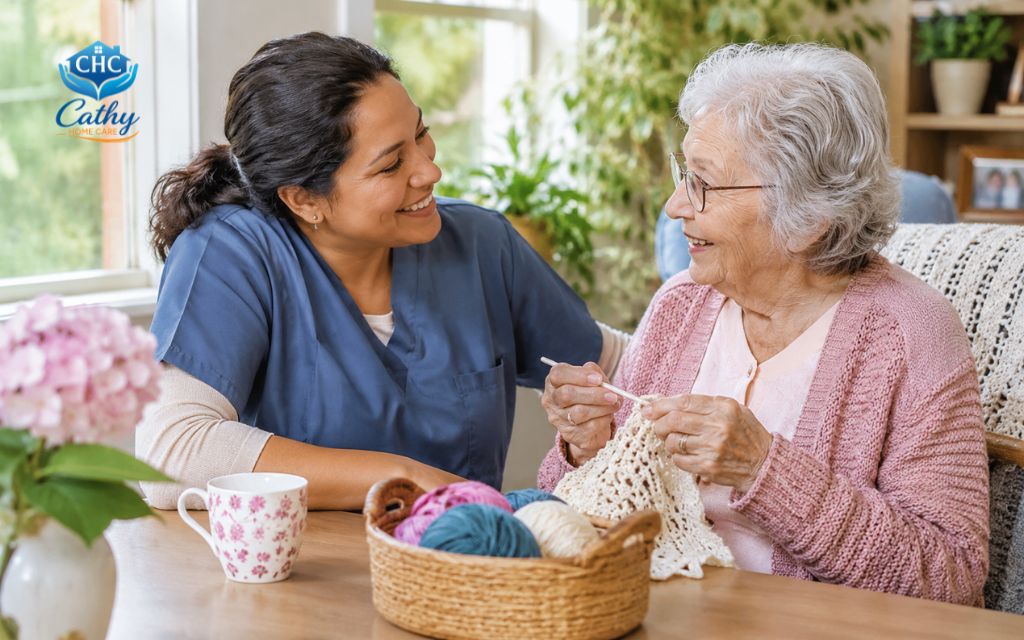
Seniors with reduced mobility may struggle to visit friends, attend gatherings, or enjoy familiar activities. A private companion can encourage suitable hobbies, support social connections, and accompany permitted outings. For families wondering what is a companion care, it offers a practical way to help older adults stay socially engaged while respecting their physical abilities and independence.
Families Who Need Respite From Caregiving
Family caregivers often balance their loved one’s needs with work and personal responsibilities, which can become exhausting over time. Scheduled companion visits allow families to take necessary breaks while their loved ones enjoy meaningful social interaction and familiar activities. Families should confirm whether the provider offers formal respite care or companionship-only services.

What Is The Difference Between Companion Care And Personal Care?
Although both services help older adults maintain independence at home, they address different needs. Understanding these differences can help families choose the most appropriate support for their loved ones.
| Aspect | Companion Care | Personal Care |
| Primary Focus | Emotional support and social companionship | Physical assistance with daily living activities |
| Typical Activities | Conversations, hobbies, games, and social outings | Bathing, dressing, grooming, and toileting |
| Household Assistance | May include light housekeeping and meal preparation | May include household tasks within the care plan |
| Physical Support | Generally limited to non-hands-on assistance | May include mobility and transfer assistance |
| Medical Services | Does not provide medical treatment | Non-medical assistance without clinical procedures |
| Best Suited For | Seniors seeking companionship and social engagement | Seniors requiring help with personal daily activities |
How To Choose The Right Companion Care Provider
The right companion care provider should offer more than reliable assistance. Your loved one deserves someone who listens patiently, respects their personality, and makes them feel genuinely valued.
When choosing a provider, families should consider:
- Caregiver Experience: Look for someone experienced in supporting older adults with patience and compassion.
- Personal Compatibility: Choose a caregiver who respects your loved one’s interests, values, and personality.
- Communication Skills: Ensure the caregiver listens attentively and communicates with kindness and understanding.
- Individual Care Needs: Confirm that services reflect your loved one’s preferences and familiar routines.
- Consistency And Reliability: Look for dependable visits and clear communication with family members.
- Transparent Care Arrangements: Understand caregiver responsibilities, scheduling, costs, and service limitations.
Above all, involve your loved one in the decision whenever possible. Their comfort, trust, and sense of belonging matter just as much as the practical assistance they receive.
Support Meaningful Daily Connections With Cathy Home Care
Every older adult deserves to feel heard, valued, and connected, especially when everyday life becomes quieter or family members cannot always be nearby. At Cathy Home Care, we understand that compassionate care means more than helping with daily tasks. Since 2002, we have supported Houston families with personalised Personal Care Services that respect each person’s dignity, independence, and familiar routines.

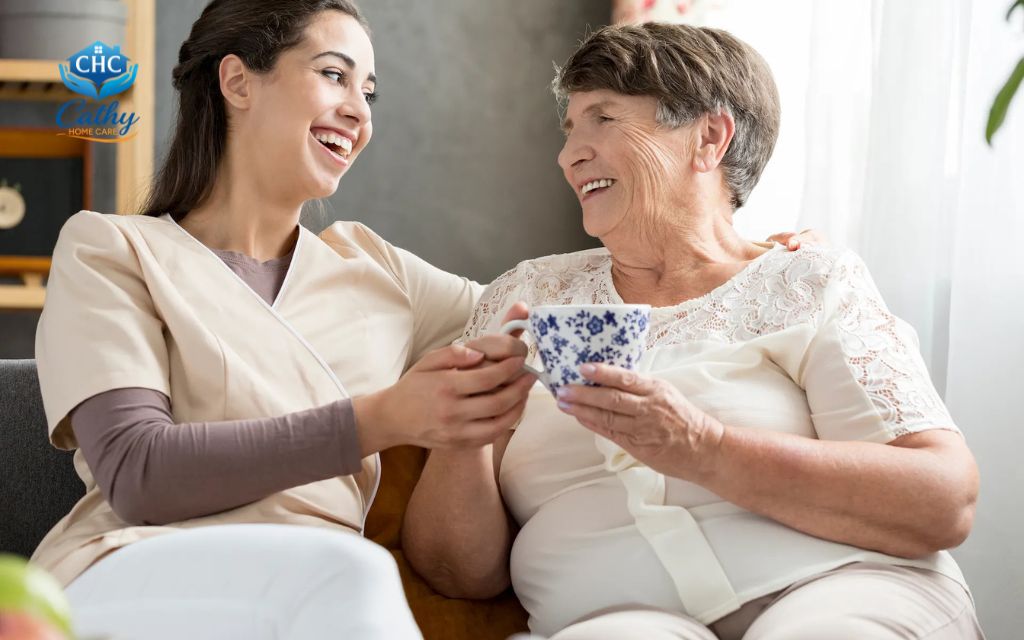
Personal companion support brings meaningful connections and compassionate care to seniors
We believe that genuine companionship begins with patience, kindness, and understanding. Our multilingual caregivers take time to recognize individual preferences, cultural traditions, and personal needs, helping older adults feel comfortable and respected in their own homes. Through thoughtful assistance and meaningful everyday interactions, we aim to bring reassurance to seniors and peace of mind to their families.
Give your loved one the comfort of genuine care, meaningful connections, and the reassurance of never feeling overlooked. Contact Cathy Home Care at (713) 779-8998 to discover how our compassionate caregivers can support your family’s needs.
Final Thoughts
Companion care is about more than having someone nearby. It brings meaningful human connection, emotional reassurance, and a sense of belonging to older adults who may feel isolated or need extra support. With the right companion, seniors can continue enjoying familiar activities, maintaining independence, and feeling valued in their everyday lives. At Cathy Home Care, we believe that compassionate support and genuine companionship can make each day more comfortable and fulfilling for seniors and their families.