
As older adults age, everyday cooking may become challenging due to reduced strength, limited mobility, or changing nutritional needs. Senior meal preparation helps them enjoy balanced, nutritious meals while maintaining comfort and independence. With thoughtful planning and appropriate support, seniors can continue enjoying familiar foods without the stress of preparing every meal alone.
What Is Senior Meal Preparation?
Senior meal preparation refers to the process of planning, preparing, cooking, and serving meals that meet an older adult’s nutritional needs and personal preferences. It may also involve grocery shopping, portioning food, and storing meals for later use.
In senior care, meal preparation is considered an Instrumental Activity of Daily Living (IADL), as it requires physical abilities, organisation, and decision-making. Unlike eating or feeding, which is a basic ADL, meal preparation involves the tasks necessary to make food available.
Older adults who struggle with these responsibilities may benefit from assistance that supports their daily routines at home without taking away their independence.

When Does An Older Adult Need Help With Meal Preparation?
Some older adults gradually find it harder to prepare meals because of physical limitations, fatigue, or memory difficulties. Families should recognise changes that affect regular eating habits, kitchen safety, and nutritional intake. Senior meal preparation assistance may become necessary when these challenges interfere with everyday independence.
Common warning signs include:
- Difficulty Standing: Trouble remaining on their feet long enough to prepare meals.
- Reduced Hand Strength: Difficulty cutting ingredients, opening containers, or handling utensils.
- Memory Difficulties: Forgotten meals, cooking steps, or unattended kitchen appliances.
- Skipped Meals: Frequent missed meals because cooking feels tiring or overwhelming.
- Poor Food Choices: Greater reliance on snacks or convenience foods instead of balanced meals.
- Increased Dependence: Regular requests for help with groceries, food preparation, or serving.

What Should A Healthy Meal Plan For Seniors Include?
As nutritional needs change with age, older adults may require greater attention to meal quality, adequate protein, and hydration. Senior meal preparation should provide varied, balanced foods while respecting individual health conditions and established eating habits.
A healthy meal plan should include:
- Protein: Include fish, eggs, poultry, beans, or other suitable sources to support muscle health.
- Fruits And Vegetables: Offer varied produce that provides vitamins, minerals, and fibre.
- Whole Grains: Choose oats, brown rice, and whole-grain bread for fibre and nutrients.
- Calcium And Vitamin D: Include appropriate dairy or fortified foods to support bone health.
- Healthy Fats: Use suitable sources such as olive oil, nuts, or avocado.
- Hydration: Offer water and appropriate beverages regularly throughout the day.
- Individual Dietary Needs: Follow medically recommended restrictions, allergies, and personal preferences.
Official healthy-aging guidance encourages older adults to eat a varied diet, obtain adequate protein, limit excess sodium, and maintain hydration.
How To Make Senior Meal Preparation Easier At Home
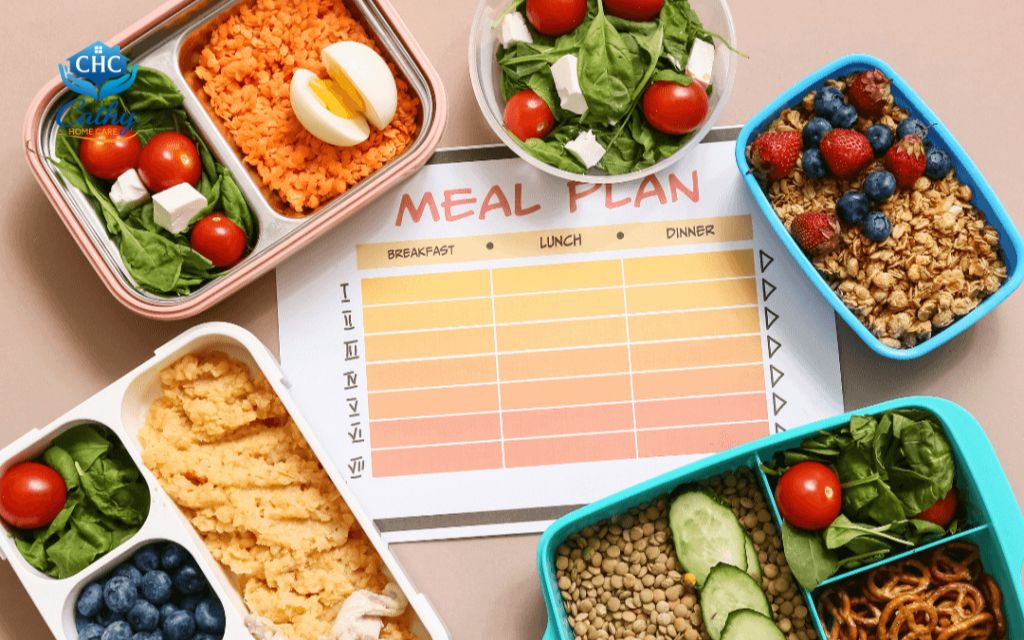
When cooking becomes tiring, a few practical adjustments can help older adults maintain regular meals without unnecessary physical strain. Families can simplify senior meal preparation through advance planning, manageable kitchen tasks, and meals that reflect personal preferences.
The following approaches can make everyday food preparation more convenient while allowing seniors to remain involved in decisions about what they eat.

Plan Simple Weekly Meals
When you plan meals for the week, your loved one can enjoy greater variety without deciding what to cook each day. A practical weekly plan should:
- Include simple breakfast, lunch, and dinner options.
- Offer a variety of protein sources, vegetables, and whole grains.
- Keep nutritious snacks available between meals.
- Use a grocery list to avoid unnecessary shopping trips.
- Allow flexibility for appetite changes and personal preferences.
Prepare Ingredients And Meals In Advance
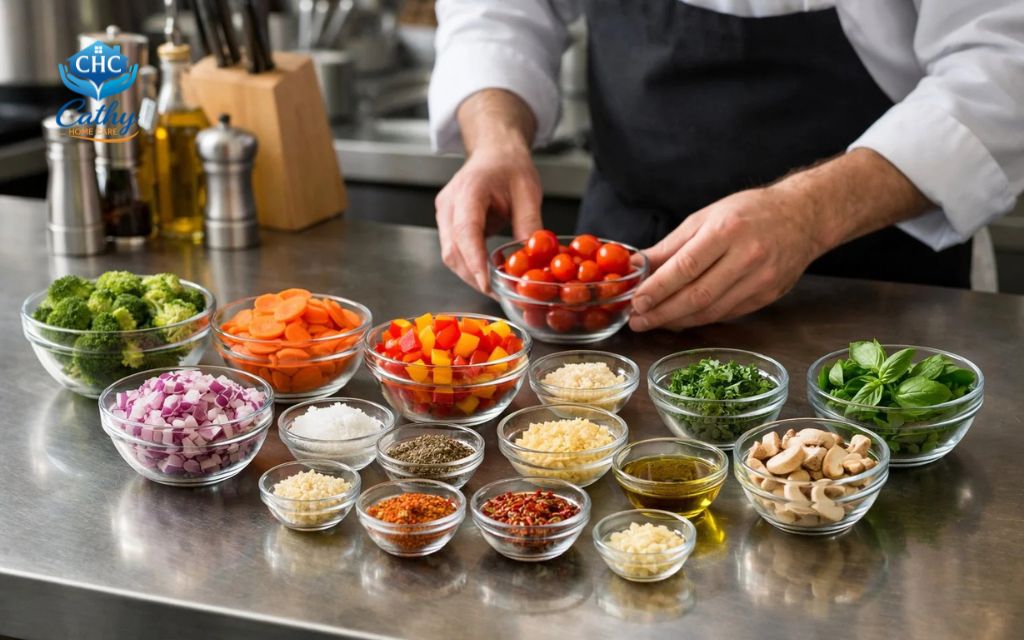
Older adults who tire easily may find it helpful to divide cooking tasks into smaller steps. Instead of preparing every ingredient at mealtime, families can wash vegetables, portion ingredients, and prepare suitable dishes in advance.
Consider these practical steps:
- Wash and prepare vegetables before cooking.
- Divide ingredients into manageable portions.
- Cook suitable dishes in batches for later meals.
- Store prepared food promptly in appropriate containers.
- Keep frequently used ingredients within easy reach.
With advance senior meal preparation, your loved one can spend less time on demanding kitchen tasks while continuing to enjoy regular home-cooked meals. Always follow proper food storage guidelines.
Adapt Meals To Personal Needs And Preferences
Families should respect older adults’ food preferences, cultural traditions, and changing dietary needs. Senior meal preparation can include softer foods, smaller portions, or familiar recipes adapted to medical advice. Encourage your loved one to participate in simple meal-related tasks whenever possible. If chewing or swallowing becomes difficult, seek professional guidance before changing food textures.
What Are Some Easy And Nutritious Meal Ideas For Seniors?
You do not need complicated recipes to provide healthy, enjoyable meals for an older adult. Senior meal preparation can begin with simple dishes that offer a variety of nutrients and suit your loved one’s appetite, cooking abilities, and personal preferences.
Here are some nutritious meal ideas for everyday use:
| Meal | Suggested Dish | Nutritional Value |
| Breakfast | Oatmeal with berries and yogurt | Fibre, protein, and calcium |
| Breakfast | Scrambled eggs with whole-grain toast | Protein and whole grains |
| Lunch | Chicken and vegetable soup | Protein, vegetables, and fluids |
| Lunch | Tuna or chickpea sandwich | Protein and fibre |
| Dinner | Baked salmon with sweet potatoes | Protein, healthy fats, and fibre |
| Dinner | Chicken with rice and cooked vegetables | Protein, carbohydrates, and vitamins |
| Snack | Yogurt with soft fruit | Protein, calcium, and vitamins |
| Snack | Banana with suitable nut butter | Energy, fibre, and healthy fats |
How Can Families Keep Prepared Meals Safe For Seniors?
Older adults may face a higher risk of serious illness from contaminated food because their immune defences can weaken with age. Safe senior meal preparation therefore requires attention to hygiene, cooking temperatures, and proper food storage.
Families should follow these essential precautions:
- Wash Hands And Surfaces: Clean hands, counters, and utensils before and after food preparation.
- Separate Raw Foods: Keep raw meat, poultry, and seafood away from ready-to-eat ingredients.
- Cook Thoroughly: Use a food thermometer to check safe internal temperatures.
- Refrigerate Promptly: Store perishable foods within two hours, or one hour above 90°F.
- Label Containers: Mark preparation dates to keep track of stored meals.
- Handle Leftovers Safely: Refrigerate cooked leftovers and use them within four days.
- Reheat Properly: Heat leftovers to an internal temperature of 165°F (74°C).
Enjoy Healthy, Stress-Free Mealtimes With Cathy Home Care
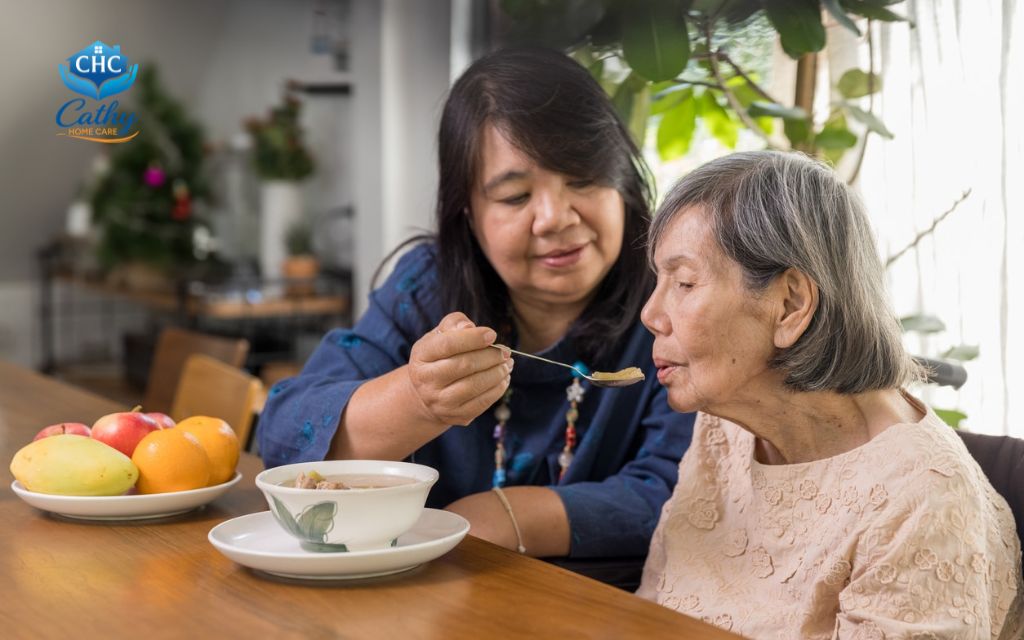
When preparing meals becomes difficult, your loved one may miss the simple pleasure of enjoying familiar food at home. At Cathy Home Care, we understand that mealtimes are about more than nutrition. Since 2002, we have supported Houston families through compassionate in-home care services that respect individual needs and daily routines. Our caregivers help with senior meal preparation, serving meals, and everyday tasks while encouraging older adults to remain as independent as possible.
We believe every meal should bring comfort, dignity, and peace of mind. Through our Personal Care Services and eligible Primary Home Care support, families can access practical assistance tailored to their loved one’s needs. Our multilingual caregivers respect personal tastes, cultural traditions, and familiar mealtime habits.
Give your loved one the comfort of nutritious, familiar meals at home. Contact Cathy Home Care at (713) 779-8998 to schedule a free home care consultation and explore suitable support options.

Final Thoughts
Senior meal preparation helps older adults maintain balanced nutrition, independence, and a comfortable daily routine. With thoughtful meal planning, nutritious ingredients, and proper food safety practices, families can make everyday meals easier and more enjoyable. When additional assistance is needed, Cathy Home Care provides compassionate support with meal preparation and daily activities, helping seniors continue enjoying familiar foods safely in the comfort of their own homes.