Elderly living alone problems often start small: a skipped meal, a missed pill, or a fall no one sees. About 26% of U.S. adults 65 and older live alone, according to Pew Research Center. This guide helps families spot 9 common risks, read early warning signs, and add the right support while a loved one stays independent at home.
Elderly living alone problems: when living alone becomes risky
Elderly living alone problems appear when health, memory, or mobility changes and no one is close by to notice. Living alone is safe for many older adults, but risk rises with each new limitation.
Solo living grows more common with age. Pew Research Center reports that 38% of adults 85 and older live alone, compared with 24% of adults aged 65 to 84. Women carry the larger share: 31% of women 65 and older live alone, versus 19% of men.
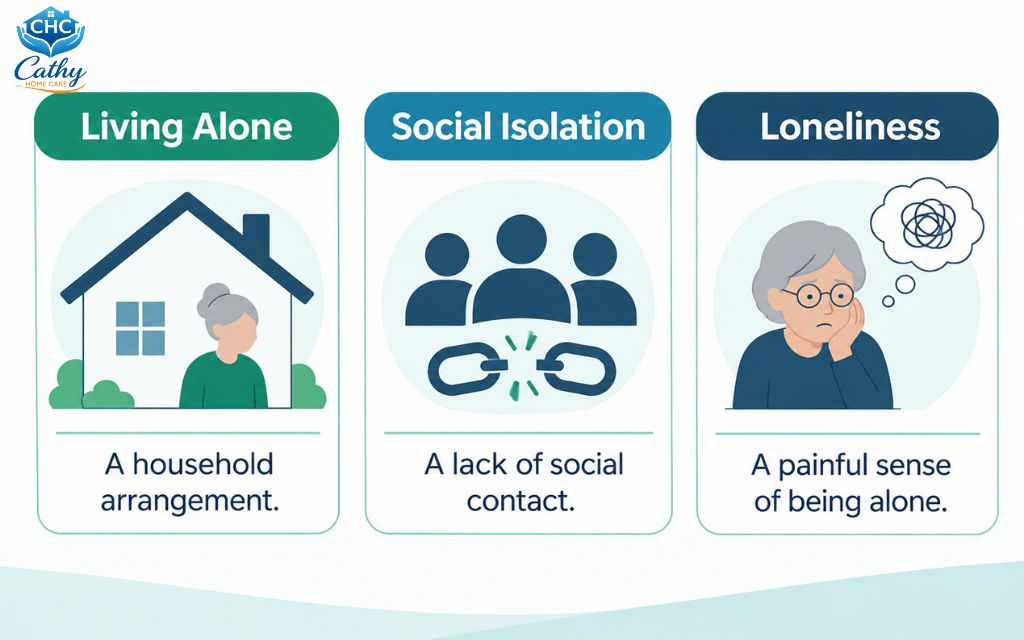
Three terms describe different situations. The National Institute on Aging (NIA) separates them this way:
- Living alone: a household arrangement. It says nothing about how connected a person feels.
- Social isolation: a lack of social contact, with few people to talk to on a regular basis.
- Loneliness: a painful sense of being alone or cut off, even when other people are around.
The difference matters for families. In the 2024 University of Michigan National Poll on Healthy Aging, adults 50 to 80 who lived alone reported less loneliness than those who lived with others. The real danger comes from unmet needs, not an empty house.
9 common problems elderly people face living alone
Older adults living alone face 9 common problems, from falls and missed medicines to phone scams. The table below groups them by type, and each section explains what helps.
| Problem type | Problems | Main risk |
| Physical safety | Falls, delayed emergency help | Injuries that go untreated for hours or days |
| Health management | Poor nutrition, medication mistakes, memory changes | Conditions that worsen without anyone noticing |
| Daily life | Daily tasks, transportation | Missed care and shrinking independence |
| Emotional and financial | Loneliness, scams | Depression, isolation, and money loss |
1. Falls and injuries at home
Falls rank among the most common physical dangers for seniors who live alone. In 2020, 27.6% of U.S. adults 65 and older, about 14 million people, reported a fall in the past year, according to the CDC. The National Safety Council counted 43,020 preventable fall deaths among older adults in 2024.
Living alone raises the stakes because no one can help the person get up or call for care. Common fall zones include the bathroom, the stairs, and dark hallways at night. These 3 changes lower the risk:
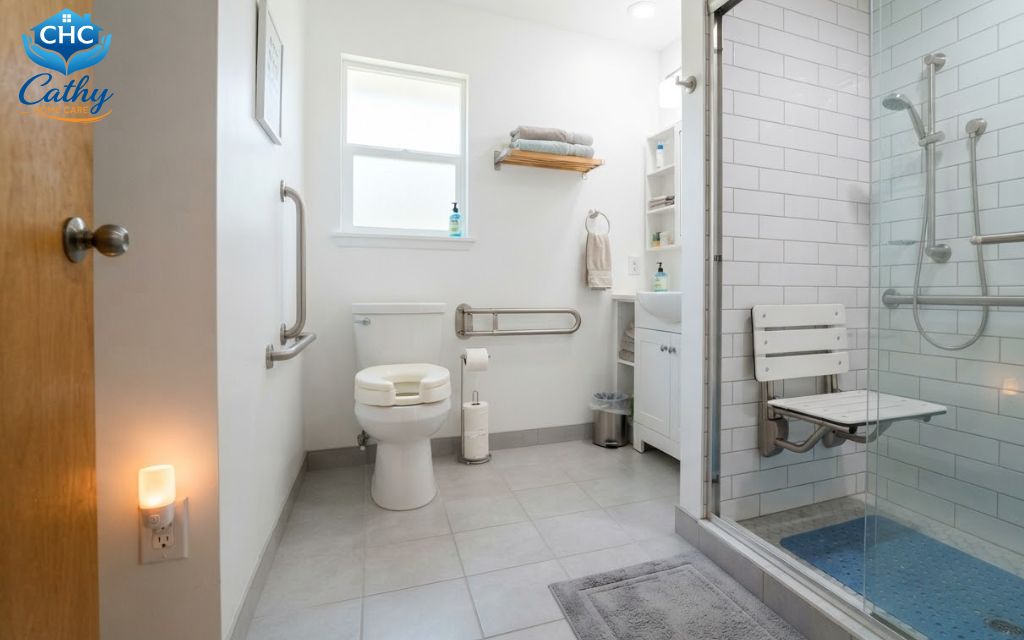
- Grab bars beside the toilet and shower, mounted 33 to 36 inches (84 to 91 cm) above the floor.
- Clear walkways with no loose rugs, cords, or clutter.
- Night lights along the path from bedroom to bathroom.
2. No one nearby in an emergency
Delayed help turns a minor event into a crisis. A senior who falls, faints, or has a stroke while alone may wait hours before anyone notices. Many families name this as their deepest fear: a parent on the floor overnight with no way to call.
A simple response plan closes that gap. Set a daily check-in time, such as a 9 a.m. call, and agree on what happens if no one answers. A medical alert device with fall detection adds a second layer, and a trusted neighbor with a spare key adds a third.
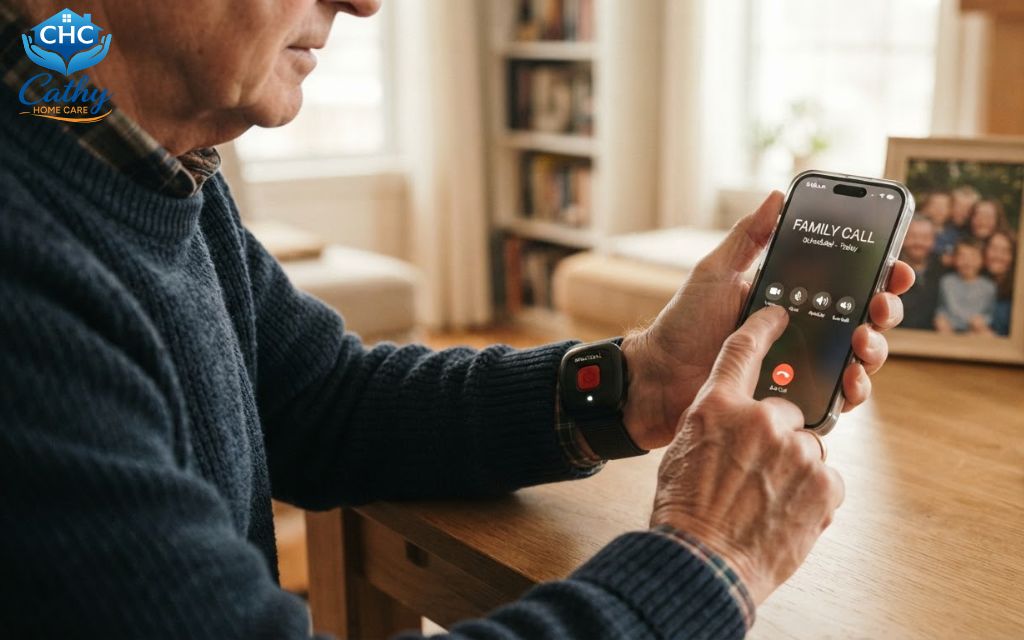
3. Loneliness and social isolation
Loneliness affects the body as much as the mood. NIA links loneliness and social isolation to higher risks of heart disease, high blood pressure, depression, cognitive decline, and earlier death. A 2024 JAMA patient page reported that 37% of adults 50 to 80 felt lonely and 34% felt isolated.
Seniors who live alone often lose daily contact after life changes, such as retirement, the death of a spouse, or giving up driving. Hearing loss and limited mobility widen the gap.
Weekly social plans keep connection steady. Options include senior center classes, faith communities, video calls, and in-home companionship. NIA recommends at least 150 minutes of moderate activity each week, and a walking group turns that exercise into social time.
4. Skipped meals and poor nutrition
Older adults who live alone are more likely to become undernourished, according to the MSD Manual. Meals are social events, and many people lose interest in cooking for one. Dental problems, a duller sense of taste, and fatigue add to the problem.
An empty fridge, expired food, and loose-fitting clothes signal trouble. Meal delivery programs, shared weekly cooking, and help with grocery shopping keep meals regular.
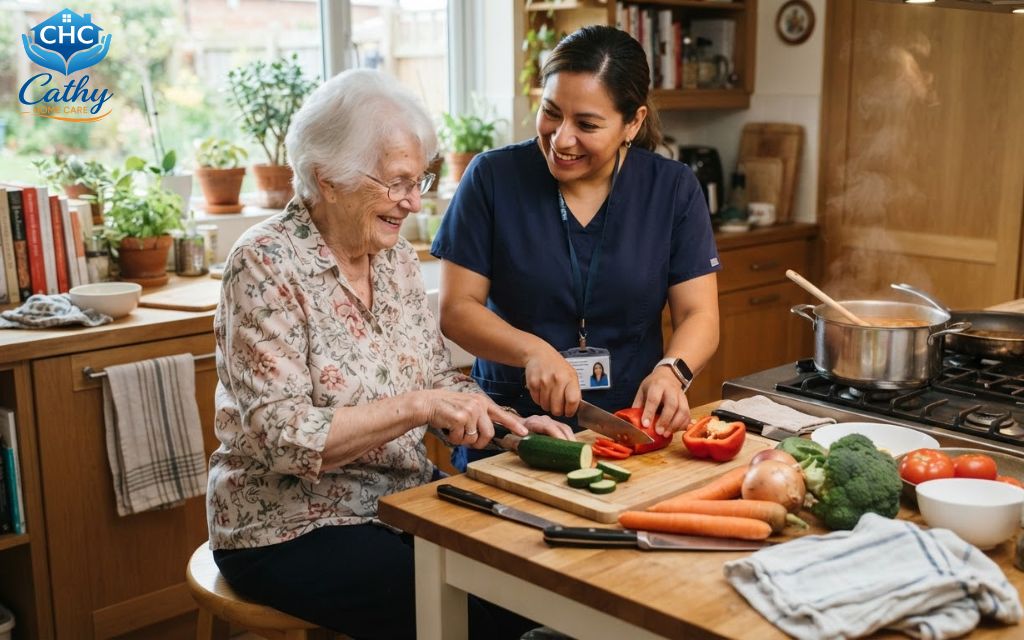
5. Medication mistakes
Medication errors climb when no one helps track doses. A senior may take a pill twice, skip it, or mix up bottles that look alike. The MSD Manual notes that people living alone often struggle to follow treatment directions.
A 7-day pill organizer, large-print labels, and a yearly medication review with a pharmacist cut confusion. Ask the doctor before changing any dose.
6. Memory changes that go unnoticed
New symptoms stay hidden when no one sees the person every day. Repeated questions, unpaid bills, or a stove left on can point to early memory changes. Families who live apart often learn about these shifts late, after a fall or a hospital visit.
Longer visits reveal more than quick calls. Spend time watching daily routines, such as cooking and taking medicine, and share any changes with the person’s doctor.

7. Struggling with daily tasks
Daily tasks get harder as strength, balance, and vision change. Health professionals sort these tasks into 2 groups:
- Activities of daily living (ADLs): basic self-care, such as bathing, dressing, toileting, and moving from bed to chair.
- Instrumental activities of daily living (IADLs): household tasks, such as cooking, cleaning, laundry, and managing money.
Trouble with ADLs, especially bathing, signals higher fall risk and a need for hands-on help. Personal assistance services, also called personal care, provide this non-medical support at home.
8. Getting to appointments and errands
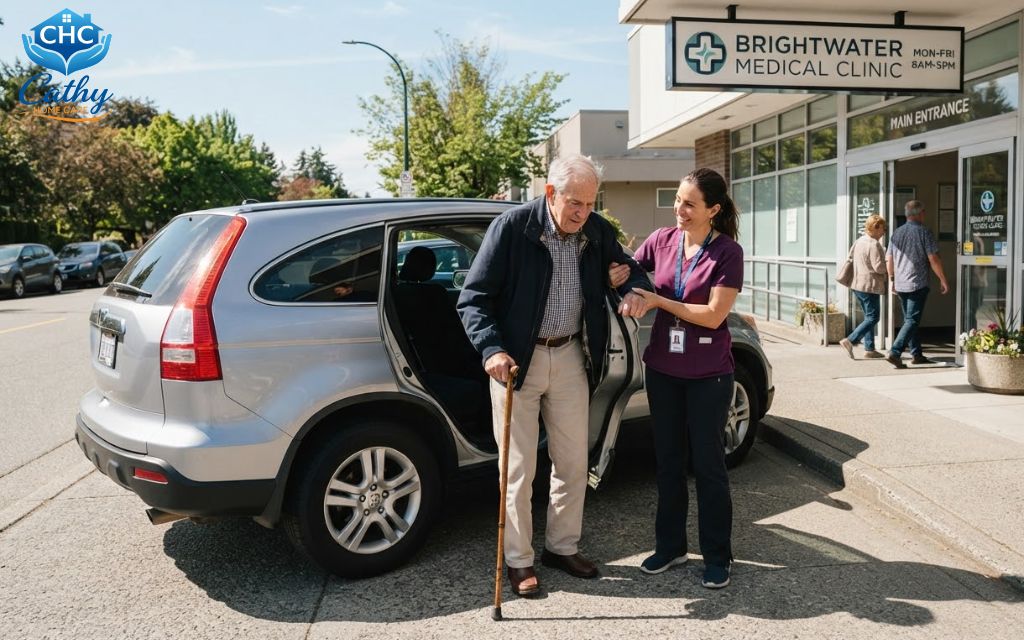
Transportation links seniors to doctors, pharmacies, and grocery stores. When an older adult stops driving, missed appointments and empty pantries often follow. Ride programs from local Area Agencies on Aging, family driving schedules, and caregiver-assisted errands fill the gap.
9. Scams and financial exploitation
Seniors living alone are frequent targets for phone, mail, and online scams. Scammers pose as grandchildren, government agencies, or tech support and push for fast payment by gift card or wire transfer. New “friends,” unusual withdrawals, and unpaid bills are red flags.
Bank alerts and a trusted contact on each account add protection. In Texas, report suspected abuse or exploitation of an older adult to Adult Protective Services at 1-800-252-5400.
Extra risks for seniors living alone in Houston
Houston adds 2 local risks: extreme heat and hurricane-season power outages. After Hurricane Beryl in July 2024, about 2.2 million CenterPoint Energy customers lost power during triple-digit heat. Of 36 deaths linked to the storm across 5 area counties, 27 were people 60 or older, and overheating was the main cause.
Older bodies regulate temperature less efficiently, and some medicines raise the risk of heat illness. A senior alone in a hot house may not notice the warning signs in time.
The National Weather Service classifies a heat index of 103°F (39°C) or higher as “danger” level.
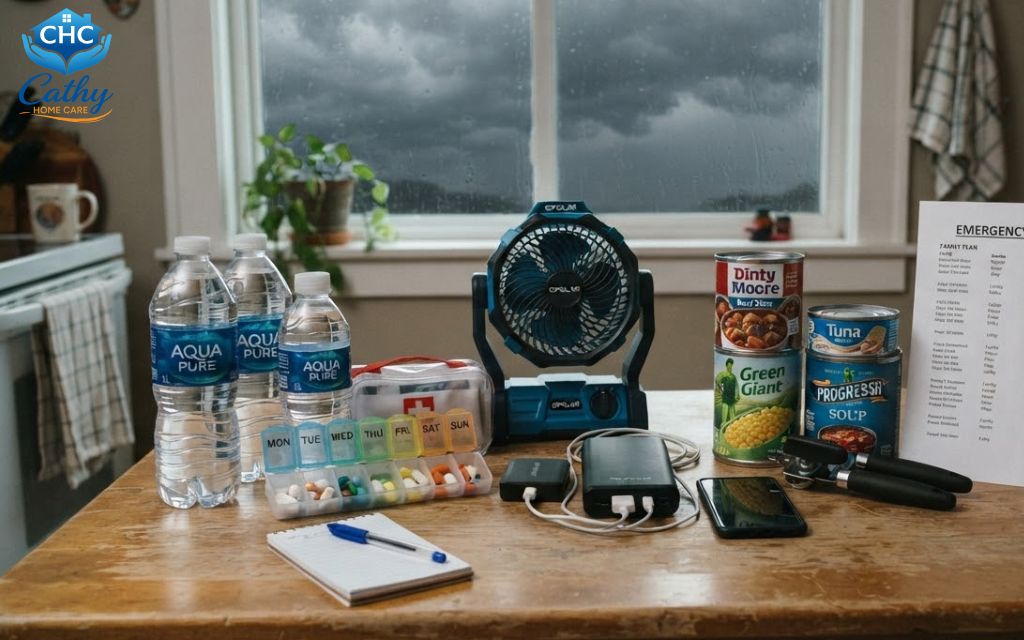
Build a storm and heat plan before hurricane season opens on June 1:
- Keep a 7-day supply of medicines, water, and shelf-stable food.
- List nearby cooling centers and a backup place to stay during outages.
- Charge a portable battery for phones and medical devices.
- Schedule a check-in within 24 hours of any storm or power outage.
Living alone with dementia or memory loss
Dementia multiplies every risk on this list. About one-third of older adults with Alzheimer’s disease or another dementia live alone, according to UCSF geriatrics guidance. These adults face higher risks of falls, malnutrition, wandering, self-neglect, and financial exploitation.
Many have never received a formal diagnosis, so families can miss the early signs. A doctor can assess memory and home safety. Early planning helps most: name a health care decision-maker, organize legal and financial papers, and set up daily support before a crisis.
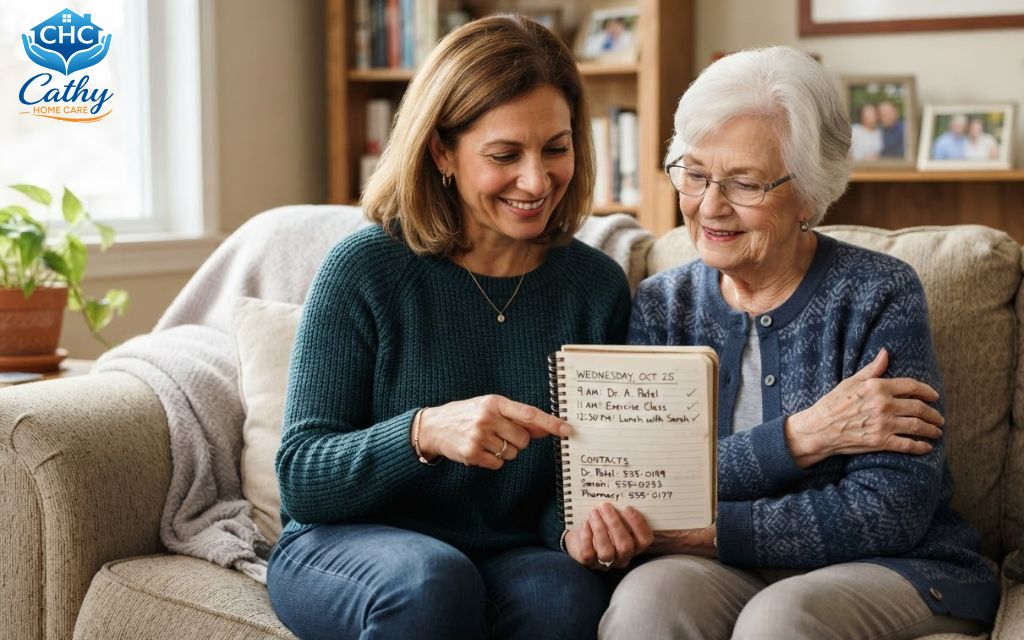
Warning signs your parent may need more help at home
A parent may need more help at home when changes show up in their body, home, memory, or social life. Look for patterns across several visits, not one bad day.
| Area | Warning signs |
| Physical health | Weight loss, unexplained bruises, poor hygiene, and unsteady walking |
| Home | Spoiled food, piles of mail, unpaid bills, and scorched pots |
| Memory and mood | Missed appointments, repeated questions, medicine mix-ups, and withdrawal |
| Social life | Fewer calls, skipped activities, and no visitors for days |
Two or more signs in one area call for a family conversation and, often, a professional assessment.
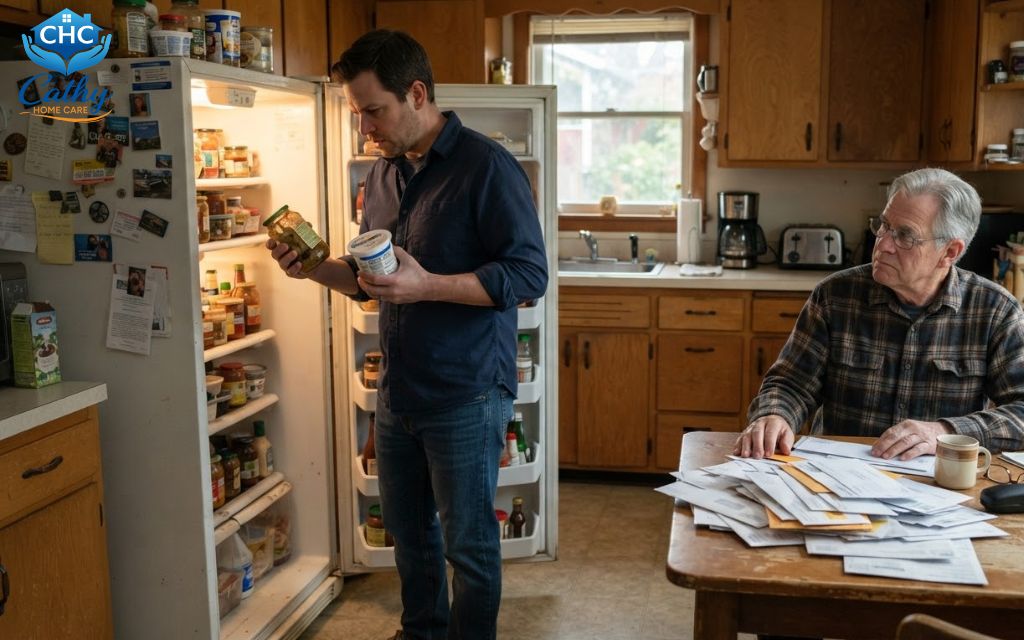
How to make living alone safer: a family checklist
To make living alone safer, families can focus on 6 areas: home safety, check-ins, emergency tools, medicines, meals, and social contact.
- Inspect the home for poor lighting, loose rugs, steep stairs, and slippery bathroom floors.
- Schedule a daily call or text at a fixed time.
- Choose a medical alert device the person agrees to wear.
- Organize medicines in a weekly pill box and keep an updated list.
- Arrange regular meals through delivery, family visits, or in-home help.
- Plan social contact 2 to 3 times each week.
Families who need local options can call the Eldercare Locator at 800-677-1116. This free national service connects older adults with Area Agencies on Aging, meal programs, and transportation help.
What if your parents refuse help?
A parent who refuses help usually wants to protect independence. Treat support as a tool that keeps them at home longer, not a sign of decline. These 4 steps make the conversation easier:
- Start with a few hours of help each week for one task, such as bathing or grocery shopping.
- Frame the help around safety and staying at home.
- Invite a trusted doctor or friend to raise the topic.
- Offer choices about who helps, when, and with which tasks.
Adults with decision-making capacity have the right to choose, even when a choice carries risk. Keep checking in, and act fast if safety becomes urgent.

Matching the problem to the right type of support
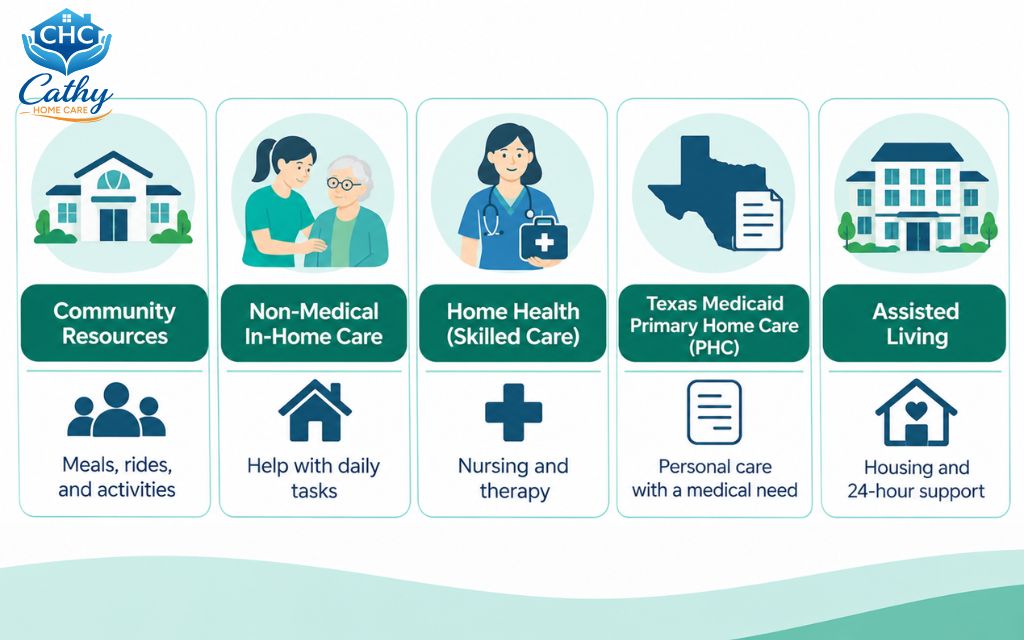
Each problem points to a different type of support. The table compares 5 common options.
| Support type | Helps with | Best fit when |
| Community resources | Meals, rides, and senior center activities | The person is independent but needs contact or errands |
| Non-medical in-home care (personal assistance services, home health aide) | Bathing, dressing, meals, light housekeeping, and mobility | Daily tasks are hard, but skilled medical care is not needed |
| Home health (skilled care) | Nursing, physical therapy, and occupational therapy | A doctor orders medical care, often after a hospital stay |
| Texas Medicaid Primary Home Care (PHC) | Personal care tied to a medical need, delivered by an attendant | The adult qualifies for Medicaid and a practitioner documents the need |
| Assisted living | Housing, meals, and 24-hour supervision | Safety needs exceed what in-home support covers |
Primary Home Care is a Texas HHSC program for medically related personal care. Eligibility depends on financial and functional criteria, so confirm with HHSC or your Medicaid health plan first.
How Cathy Home Care helps Houston seniors live safely at home
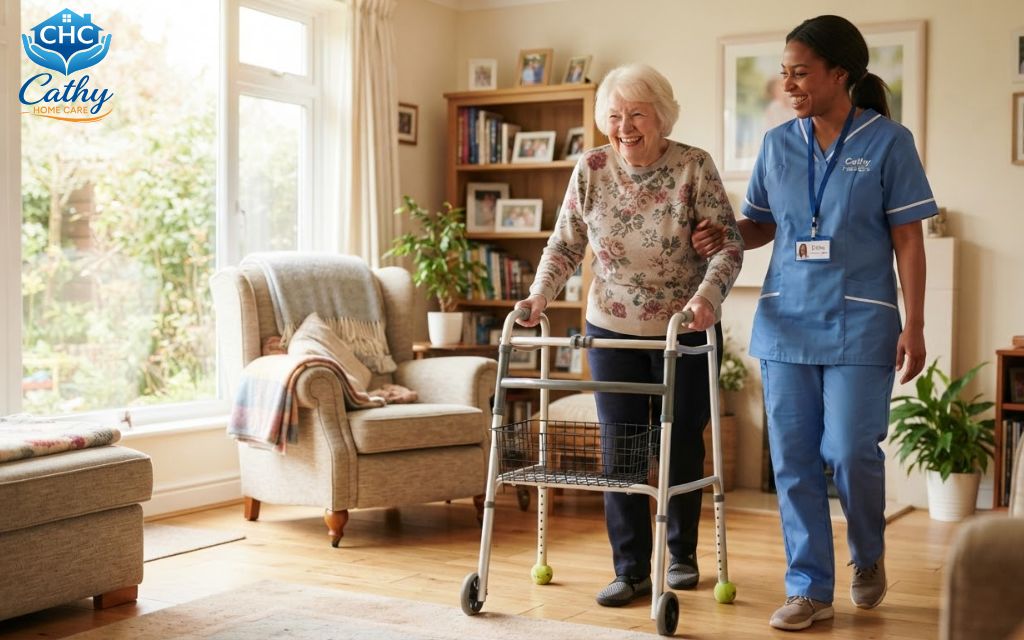
Cathy Home Care is a Houston home care agency that has supported older adults and people with disabilities since 2002. Our caregivers help with the daily tasks behind many elderly living alone problems, including bathing, dressing, meal preparation, mobility, and light housekeeping.
We support families through 3 core services:
- Personal assistance services (PAS): hands-on help with daily living at home.
- Home health aide (HHA) care: personal care from trained aides who work under nurse supervision.
- Primary Home Care (PHC): personal care for eligible adults through Texas Medicaid programs.
Our team speaks English, Vietnamese, Spanish, and Chinese, so families can describe needs in the language they know best. Skilled nursing and therapy services are available through our partner providers.
FAQs about elderly people living alone
What percentage of seniors live alone?
About 26% of U.S. adults 65 and older lived alone in 2023, according to Pew Research Center. The share rises to 38% among adults 85 and older.
What is the biggest danger for elderly people living alone?
Falls combined with delayed help rank among the most serious dangers. More than 1 in 4 older adults fall each year, and a person who lives alone may wait hours for help.
How do you know when an elderly person can no longer live alone safely?
An older adult needs more support when daily tasks, memory, or safety slip in several areas at once. Frequent falls, missed medicines, spoiled food, and confusion are common signs. A doctor’s assessment helps families decide on next steps.
Is it safe for a 90-year-old to live alone?
A 90-year-old can live alone safely with stable health, clear thinking, and a reliable support plan. Function, memory, and backup support decide safety more than age does.
What is the difference between loneliness and social isolation?
Social isolation means having few social contacts, while loneliness is the feeling of being alone. A person can be isolated without feeling lonely, or feel lonely in a crowded room.
How can families manage elderly living alone problems from far away?
Long-distance families can manage elderly living alone problems by combining daily calls, a medical alert device, a local contact, and scheduled in-home visits. A parent who lives 300 miles (483 km) away still needs someone nearby who can stop by within an hour.
Does Texas Medicaid pay for help at home?
Texas Medicaid covers personal care at home for eligible adults through programs such as Primary Home Care. Eligibility depends on financial and functional criteria, so confirm with HHSC or your health plan.